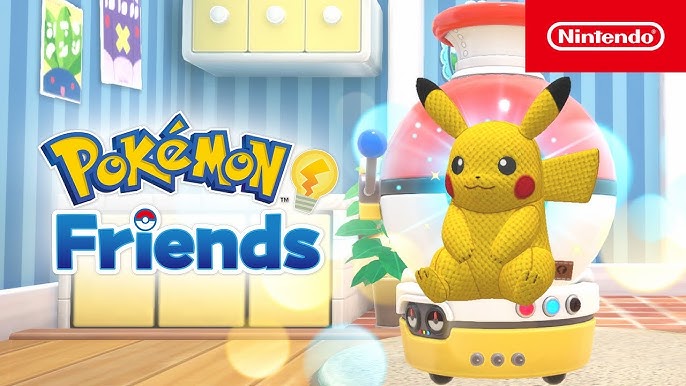
The idea of putting Poké Balls away and simply living alongside Pokémon has been a dream of many fans for years. Pokémon Friends arrives with the bold promise of making that dream come true. It’s a radically different experience, a gentle interlude that moves away from competition to focus on friendship. After building my farm and making friends with the local fauna of the Harmony Archipelago, the verdict is clear: while the initiative is a charming success, it’s not without a few blunders that prevent it from reaching masterpiece status.
A simple, harmonious life
The basic concept is a pure delight. Upon arriving on the Archipelago of Harmony, you’re immediately seduced by the benevolent, relaxed atmosphere. The game invites us to a slower pace, to enjoy the little things of everyday life. The art direction, with its picture-book style and pastel colors, is splendid and lends the game a strong, endearing visual identity. Strolling through this world and watching Pokémon go about their business, interacting with each other and with humans, is a constant, heart-warming spectacle.
Charming friendship, slightly timid mechanics
The heart of the game – befriending Pokémon rather than capturing them – is a brilliant idea, and perfectly executed. Gaining the trust of a wild Pokémon by learning its habits and offering it treats is a far more personal and rewarding process than simply throwing it a ball. Seeing that same Pokémon decide to help us on the farm or in our explorations is the greatest reward of all.

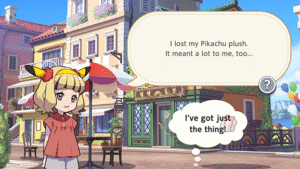
However, once the charm of discovery has worn off, the life-simulation mechanics are a little lacking in depth. Fans of games like Stardew Valley be warned: Pokémon Friends skims over its systems more than it delves into them. Farming is basic, crafting functional but limited, and the quests given by the inhabitants, while cute at first, quickly become repetitive. After helping a Canarticho find his leek for the tenth time, the magic wears off.
Similarly, the choice of a roster limited to around 150 Pokémon, although justified by the archipelago setting, may leave collectors wanting more. The famous adage “Catch them all” is here replaced by “Make friends with a few”, a philosophy that will not please everyone.
Beauty at a price
While the art direction is flawless, the technology on the aging Nintendo Switch sometimes shows its limits. The game is fluid overall, but noticeable slowdowns can be felt when your farm becomes too ornate, or in the main village at peak times. It’s never prohibitive, but it’s a reminder that the console is nearing the end of its life. As for the soundtrack, it’s a marvel of gentleness, with acoustic melodies that perfectly accompany the relaxing atmosphere.
A pleasant routine
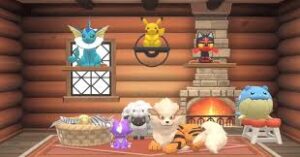
The lifespan is potentially enormous, provided you adhere to the gameplay loop. If you fall in love with the atmosphere and don’t mind the repetitive nature of daily tasks, you’ll be able to spend hundreds of hours perfecting your little piece of paradise. Seasonal events punctuate the year and add a little variety, but the heart of the experience remains the patient improvement of your estate.
Make no mistake: Pokémon Friends is a very good game, and an experience that I sincerely enjoyed. It’s a welcome breath of fresh air, a brave proposition that explores a softer side of its universe. Its atmosphere is a total success, and the concept of friendship is brilliant. However, the game suffers from comparison with the giants of life simulation, whose depth and complexity it lacks. It remains a “sim-lite” experience, a charming but perfectible paradise. It’s an excellent gateway to the genre and a dream come true for many fans, but it lacks that little something to become an essential reference.

Rating: 8/10
Views: 2