BYD Unveils the Formula S: A Cheaper Tesla Model 3 with Ultra-Fast Charging
—
## An Ambitious Newcomer for the Electric Premium Segment
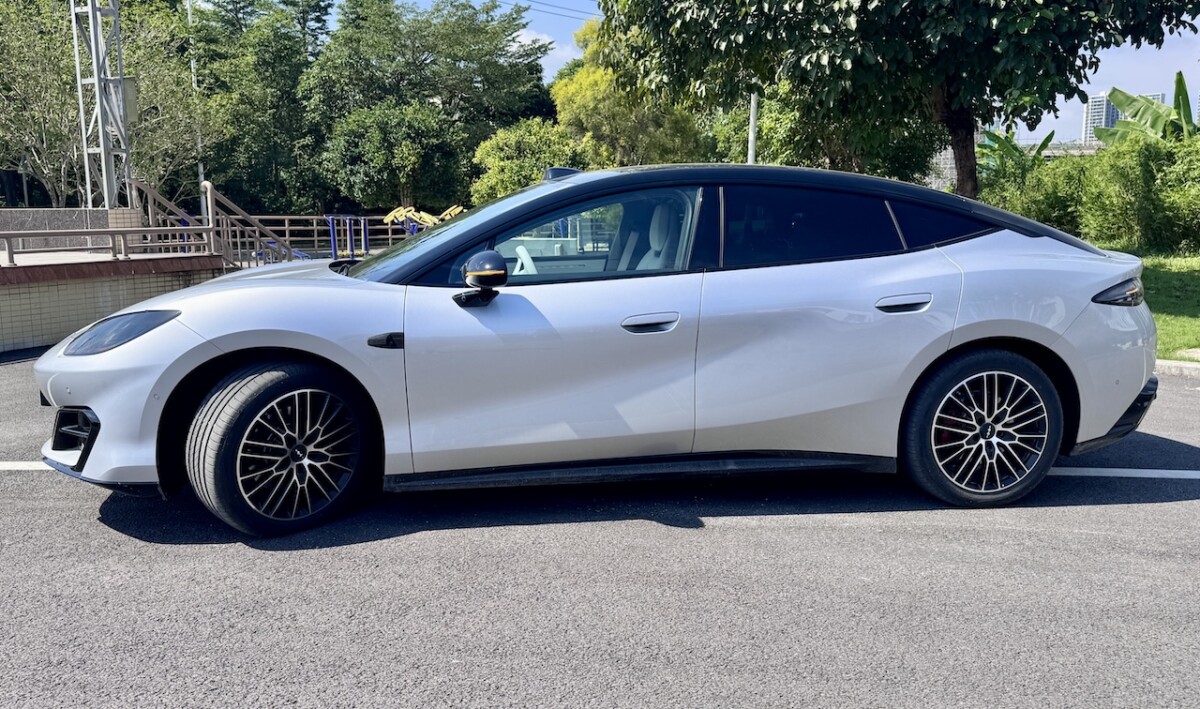
The Fang Cheng Bao (FCB) brand, born in 2023 under the aegis of Chinese giant BYD, has so far conquered off-road enthusiasts with robust models like the Bao 5 and Bao 8, before pivoting towards family-oriented vehicles with the Tai range. With its latest offering, the Formula S, the company is making a major strategic shift by targeting the high-end electric sedan market, currently dominated by formidable competitors like the Xiaomi SU7 and the Tesla Model 3.
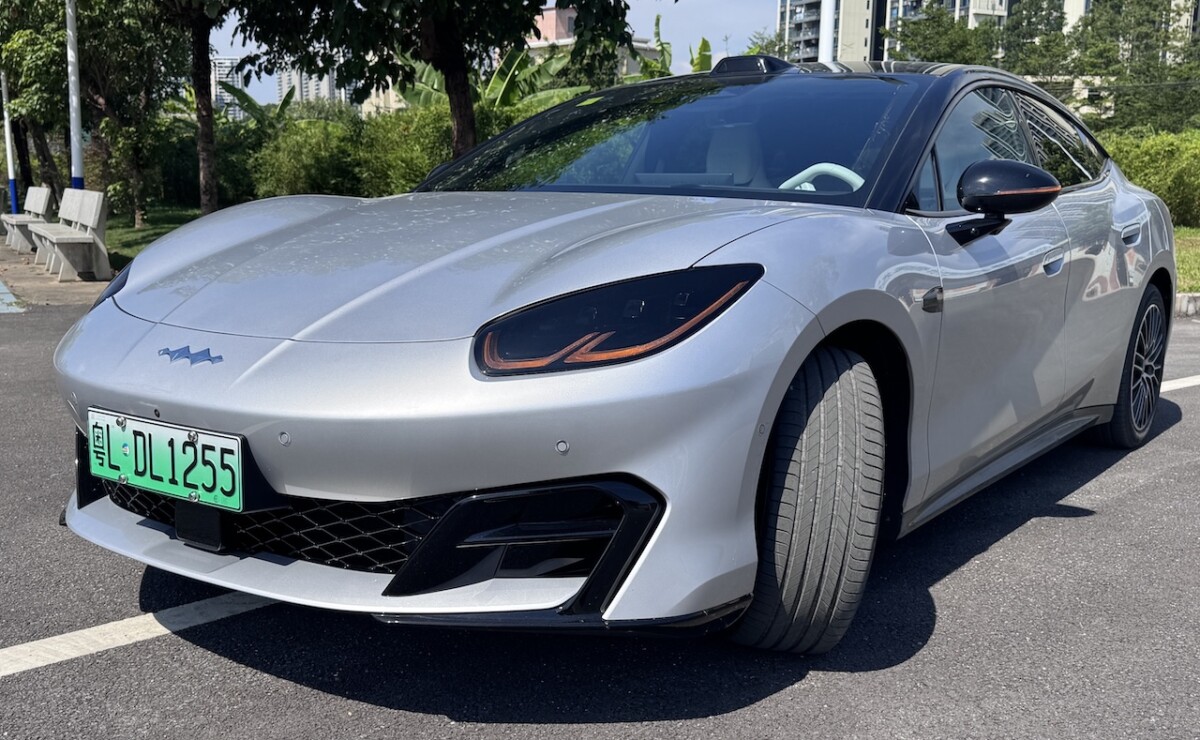
Officially unveiled on September 16, 2026, this new lineup comes in two distinct versions: the Formula S, a classic fastback with a liftback measuring a total length of 5,060 mm, and the Formula S GT, a shorter shooting brake at 5,025 mm. Nine different configurations are offered on the market, with prices ranging from 189,900 to 239,900 yuan (approximately €25,800 to €32,600 depending on current exchange rates). This pricing positioning is particularly aggressive, deviating significantly from initial pre-order estimates that had projected a range of 230,000 to 280,000 yuan.
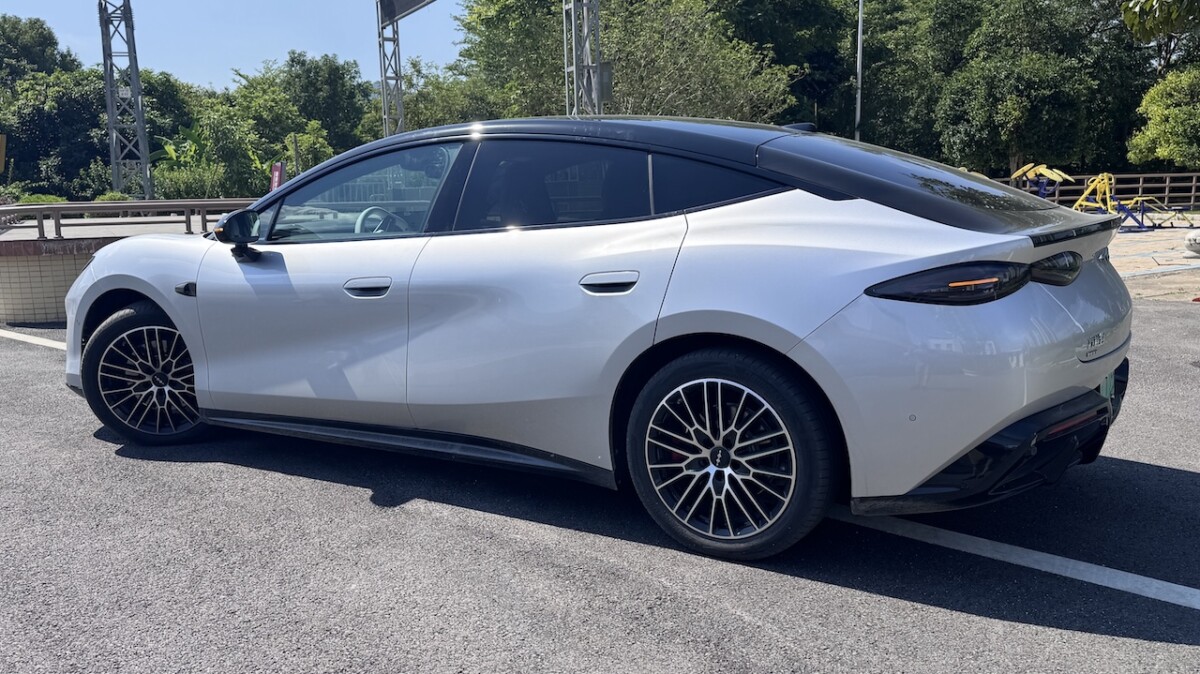
Design: A Distinct Style with Aerodynamic Codes
The first visual impression is marked by a striking resemblance to the Denza Z9. This proximity is not accidental, as both brands belong to the BYD group and operate in the premium segment, just a few degrees away from the luxury Yangwang label. However, Fang Cheng Bao cultivates its own identity, which is still barely visible outside Chinese borders.
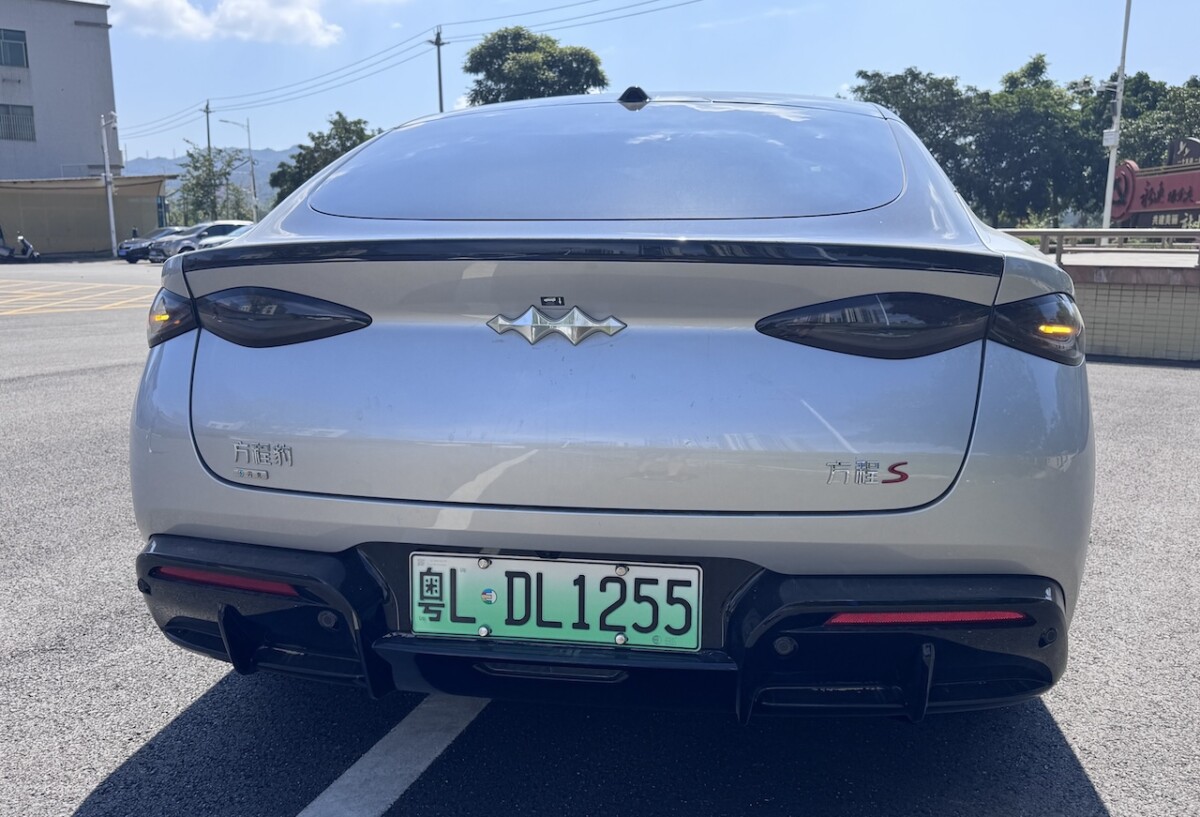
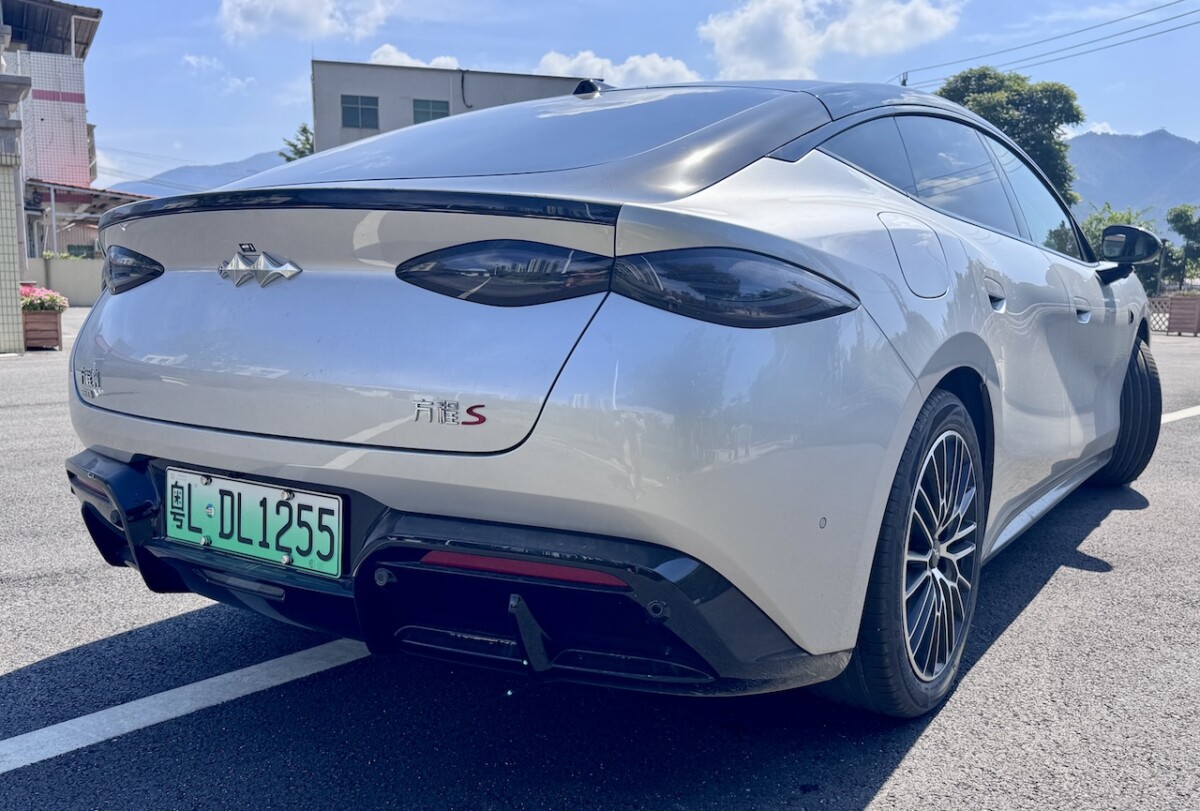
The front face displays an aggressive attitude, diving towards the ground, framed by slim headlights and a four-intake engine shield designed to optimize airflow. The profile is long and taut, characterized by a descending roofline and an elegant rear ending with a small spoiler and an original light signature in the shape of an infinite ring composed of four rhombuses.
On the technical side, BYD announces a drag coefficient (Cx) of 0.22 for the Formula S and 0.25 for the GT version. While performant, these figures remain slightly higher than those displayed by the Tesla Model 3 (0.19) or the Xpeng P7 Next (0.201), leaving room for improvement in future iterations.
The rear aesthetics complete this sporty image with a Formula S badge highlighted in red and a well-proportioned diffuser. The GT version adds specific wheels to underscore its character.
A Technological Interior and Generously Equipped
Inside, the ambiance contrasts with the exterior aggression to adopt a common techno-family tone for both models. The equipment is particularly rich: 6.9-liter onboard refrigerator, dual panoramic sunroof with dimmable glass, 128-color ambient lighting, floating central screen, and a 26-inch augmented reality heads-up display.
The front seats offer complete comfort with heating, ventilation, and massage. The rear passenger seat is designed for a “zero gravity” position, while the center console retains essential physical buttons. The audio equipment is a strong point: the Devialet system integrates 20 speakers as standard, a rarity in this segment where such equipment often remains optional.
The interior finish prioritizes noble materials like protein-based synthetic leather and suede, avoiding hard plastics except on door sills. One negative point remains however: the screen dedicated to rear passengers is installed on the center console rather than in the armrest, a less ergonomic arrangement than expected.
Range, Charging, and Onboard Technologies
The test version was equipped with a 76.7 kWh battery offering an autonomy of 730 km in the CLTC cycle. The range also offers versions with 900 km autonomy for 209,900 yuan or all-wheel drive for 229,900 yuan with 750 km autonomy.
The car’s electrical architecture relies on an 800 V system coupled with the Blade 2 battery. This combination allows exceptional charging performance: going from 10% to 70% charge takes only 5 minutes, and reaching 97% takes just 9 minutes. These “flash charging” figures far surpass those of most current Chinese competitors.
On the dynamics side, BYD offers two active suspension systems beyond the entry-level model: the DiSus-M, using magnetorheological dampers that react in a few milliseconds (first time for this type on the range), and the DiSus-A based on a double-chamber air suspension. The “God’s Eye B” driver assistance system (DiPilot 300) is included, integrating a roof-mounted lidar to handle maneuvers in city and highway traffic.
The Model’s Limitations
Despite its technological assets, the Formula S presents a notable weakness: rear space. For tall passengers, legroom is restricted, which is frustrating given a generous wheelbase of 2,960 mm. The trunk offers 600 liters, complemented by an electric “frunk” (front trunk) of 151 liters ideal for storing charging cables or accessories.
Official deliveries began on September 28, marking the official entry into play of this new challenger in the electric premium segment.
—