BYD Unveils Its New Electric City Car: Bigger, Faster, and Cheaper?
—
# BYD Unveils Its New Electric City Car: A Radical Change Expected in Europe
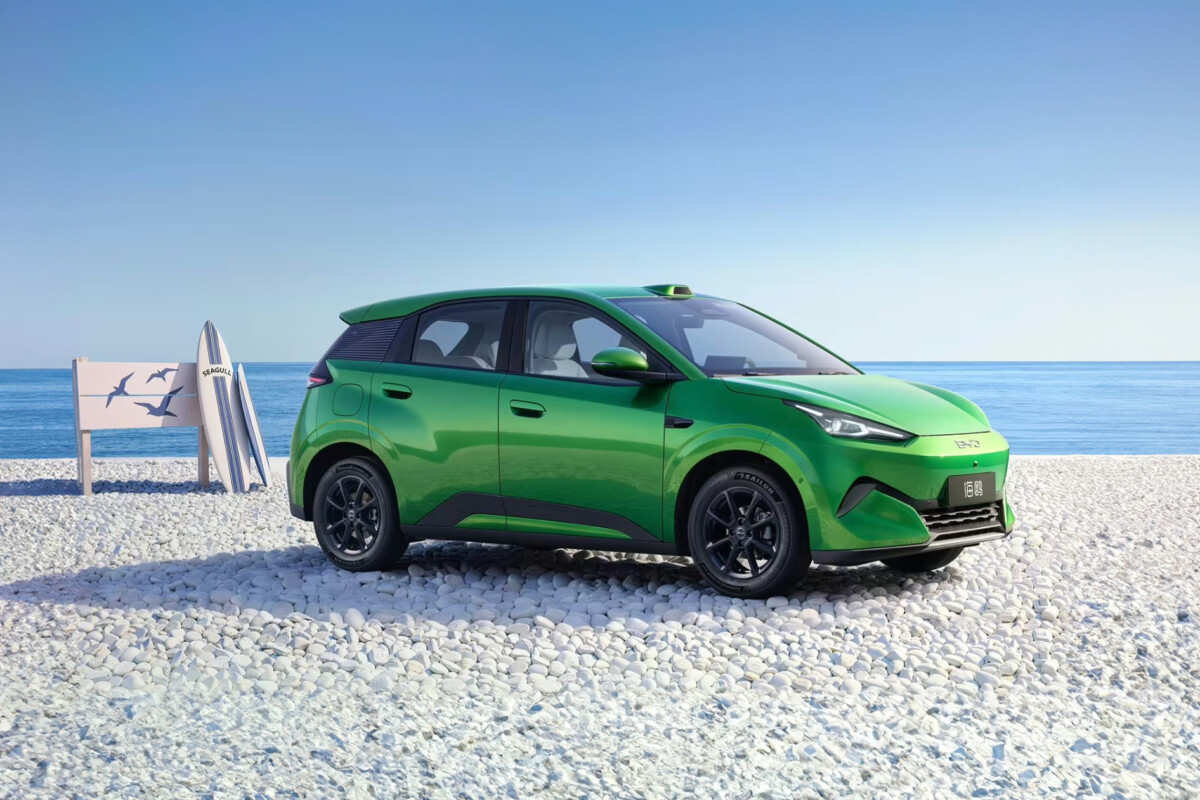
Chinese electric vehicle giant BYD continues to disrupt the automotive market with an increasingly aggressive lineup. Following the global success of the Dolphin, the company is preparing a major evolution that could well replace its current flagship model on European soil.
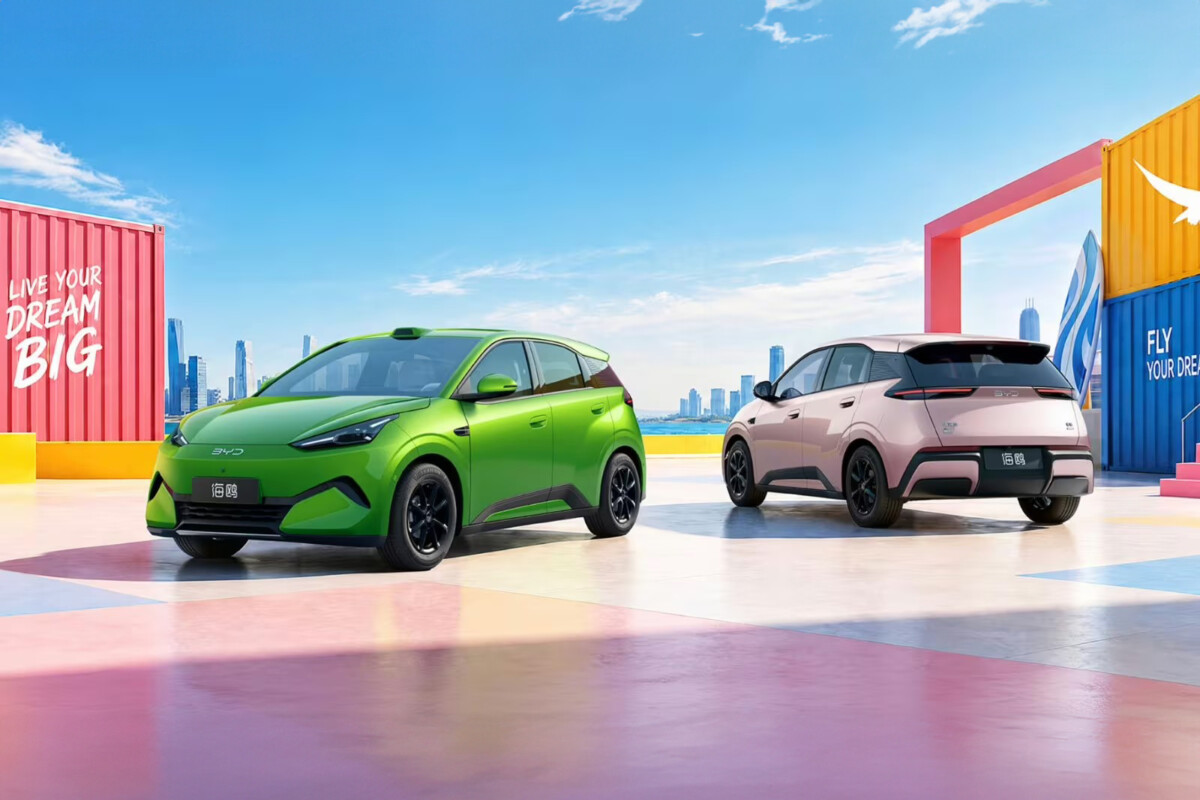
A New Generation of the Seagull for Europe
Under the name Seagull, this model made headlines in China, selling over 245,000 units by the end of September. Known as the Dolphin Mini or Dolphin Surf elsewhere, its successor promises a significant technological leap.
Expanded Dimensions and Performance
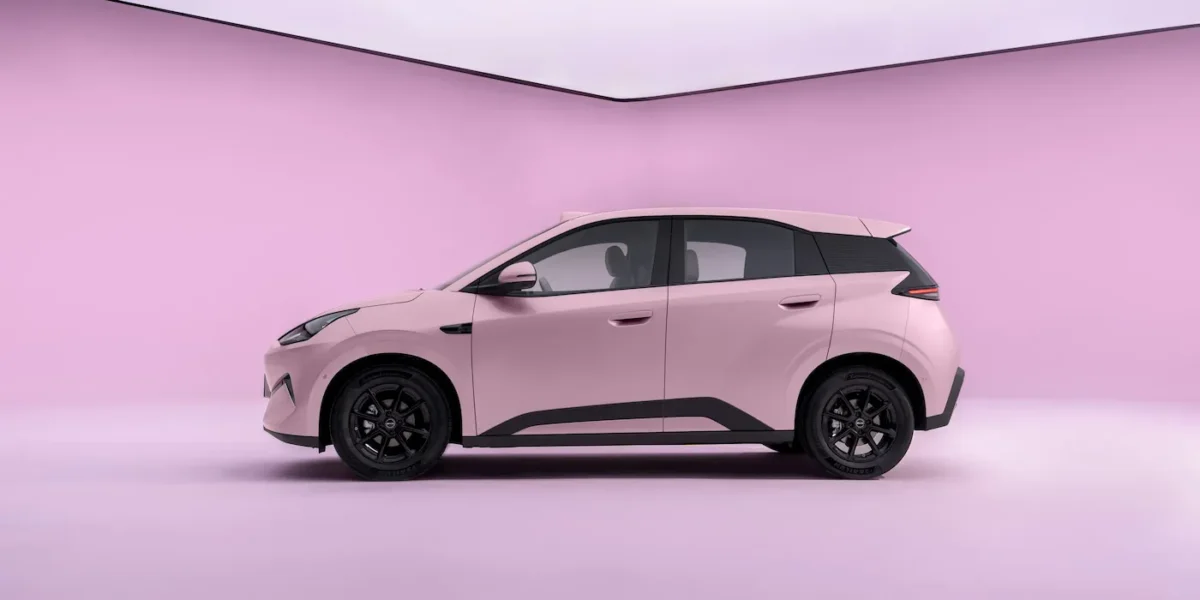
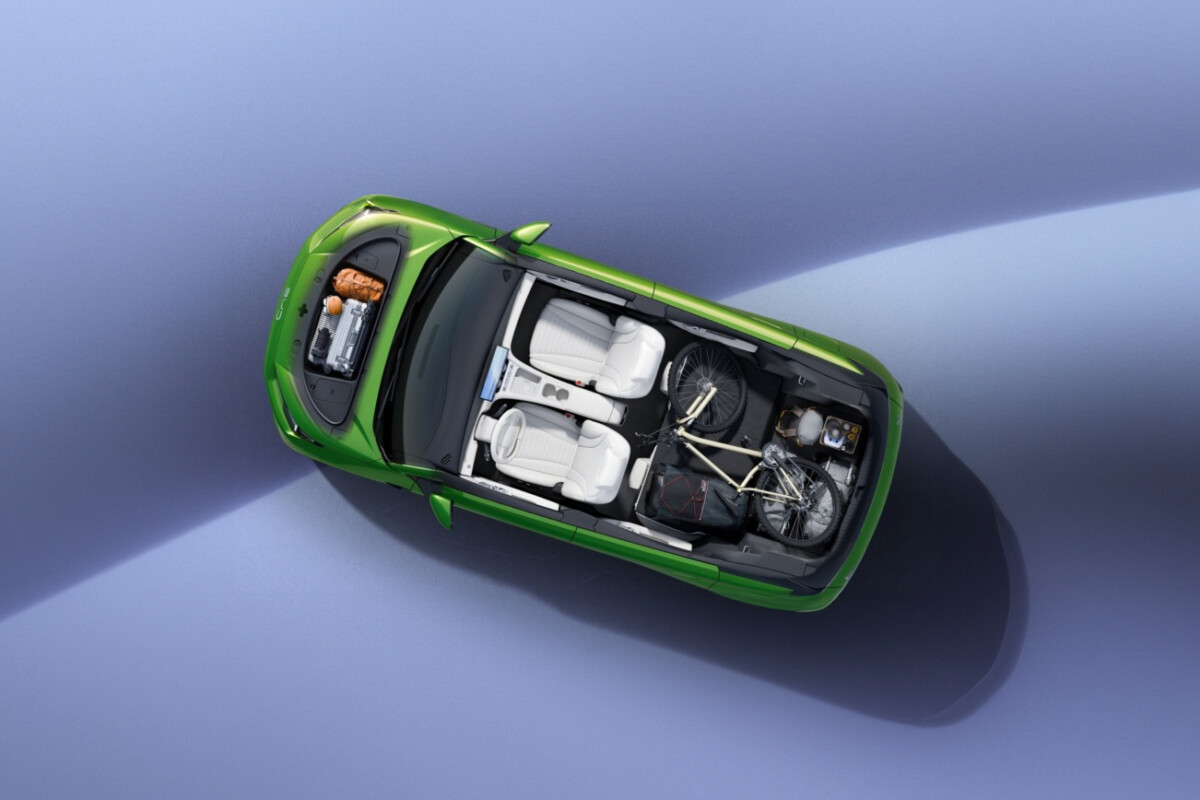
The new Seagull breaks away from the ultra-compact format to align with European standards: it now measures 4.21 meters in length compared to the current Dolphin’s 3.99 meters. Its wheelbase has also increased by 15 cm, offering a much more generous interior space.
The interior has also evolved to comfortably accommodate five passengers, whereas the previous model was limited to four. The mechanics have been revised with rear-wheel drive and a multi-link suspension on the rear axle for better handling. The front trunk also gains in volume, increasing to 94 liters.
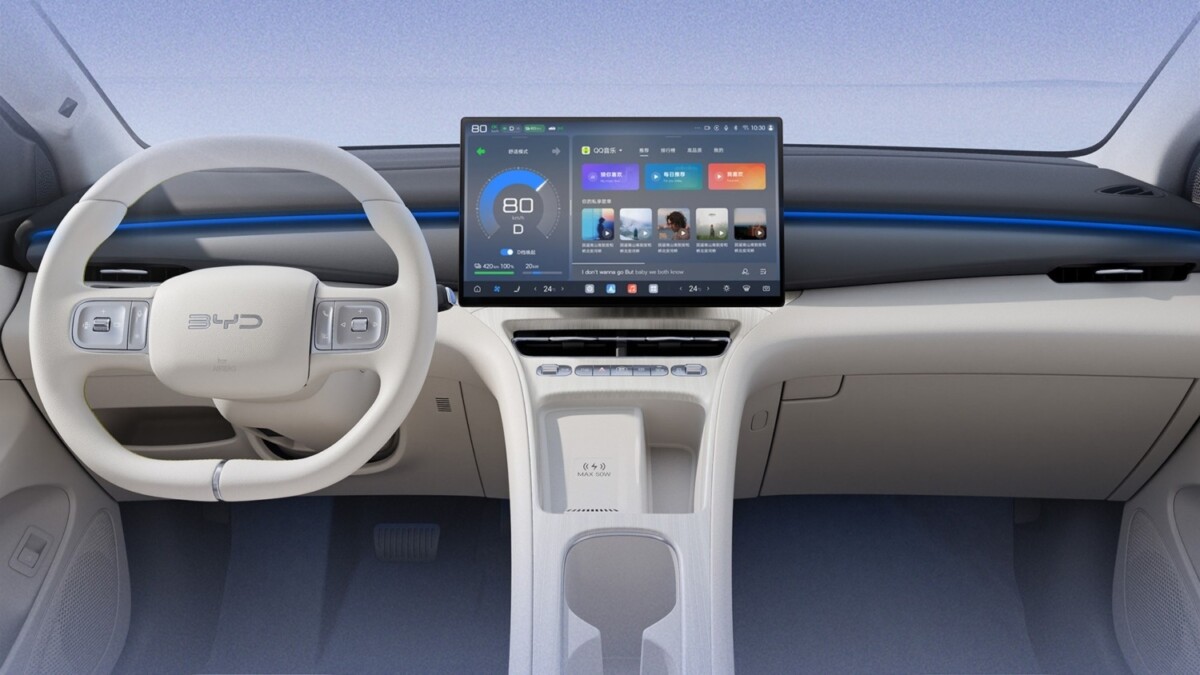
In terms of power, we move from a 55 kW (75 hp) motor to versions offering 85 or 95 kW, equivalent to 116 and 129 horsepower respectively. Inside, technology makes an appearance with a 15.6-inch central screen complemented by a few essential physical buttons.
Why Replace the Dolphin and Not the Surf?
According to information from Spanish media TestCoches, this new Seagull is intended to take the place of the current Dolphin in Europe, not the Dolphin Surf. The lineup logic seems clear: with its 4.21 meters, the new model closely matches the dimensions of the Dolphin (4.29 meters), while the Surf will likely remain available for specific needs.
The Price Unknown in Europe
The real challenge lies in pricing. In China, the Seagull starts at around 65,900 yuan (roughly €9,000) and can reach up to €13,650 for top-tier versions. In France, the current Dolphin starts at €24,490.
The question is whether BYD will maintain this pricing grid or if transport costs, homologation, and customs duties will force a price increase. The gap with the Dolphin Surf could then play a key role in the model’s attractiveness to European buyers.
Flash Charging: A Major Selling Point to Verify
The main selling point relies on Blade 2.0 technology, equipped with LFP chemistry. BYD promises impressive charging speeds: reaching 70% in just 5 minutes or 97% in 9 minutes. However, these performances are measured in China and may not necessarily apply to the cheaper versions.
It remains to be confirmed whether the European charging network will be compatible with this ultra-fast technology. Furthermore, the announced autonomy in the CLTC cycle (320 to 420 km) will need to be converted to the European WLTP cycle, which will likely reduce the real figures to approximately 270 and 350 km.
Uncertain Technological Options
The DiPilot 300 driver assistance system, integrating an optional Lidar in China, might not be homologated for Europe. On this specific point, the future Dolphin could even lag behind the current model, which displays up to 427 km of WLTP autonomy with its 60.4 kWh battery.
BYD will therefore either equip the Seagull with a larger battery similar to the Surf or temporarily maintain the current Dolphin to cover long-distance travel needs.
Production and Competition: A Battle Ahead
For now, BYD has not communicated on its introduction schedule or official tariffs. It is possible that production will move to the brand’s Hungarian factory or to a second unit whose project is still in an advanced phase.
In the European market, this newcomer will have to face formidable competitors like the future Peugeot e-208 and improved versions of the Renault 5 E-Tech. With its now superior technical capabilities, BYD shows it has taken a step ahead of traditional manufacturers.
It remains to be seen if the economic equation will hold up against European taxes and whether this new city car will convince European buyers to make the leap to the Chinese brand.
—