The Ballad of Songbirds and Snakes: A Masterpiece?
—
# The Ballad of Songbirds and Snakes: When the Capitol Becomes a Colorful Hell

Since its release in 2012, the Hunger Games cinematic universe has transcended simple survival spectacle to offer profound political critique. Behind the arenas and bloody battles lies a reflection on crowd manipulation and systemic violence that shapes the characters’ destinies.
After four films comprising the main saga, it is now the first prequel’s turn to arrive. This project, centered on the youth of Coriolanus Snow, had already allowed for an exploration of Panem from an unprecedented angle. However, The Ballad of Songbirds and Snakes represented a colossal challenge for the directors and screenwriters: telling Haymitch Abernathy’s story while the audience already knows his tragic fate.
How to build suspense around an inevitable survivor? How to shake the audience with a character known to escape death, while his comrades are doomed to massacre? Supported by a faithful adaptation of Suzanne Collins’ eponymous novel, Francis Lawrence rises to this challenge with flair. He invites us to understand that the essence does not lie in the final winner, but in the exorbitant price victory imposes.
Haymitch: From Idealistic Teenager to Broken Mentor
The plot is set twenty-four years before the events of the first installment, during the fiftieth Hunger Games. For this second Reaping, the Capitol decides to double the number of tributes: instead of 24 adolescents, it is now 48 children torn from their families to kill each other in the arena.
Among them, Haymitch, only sixteen years old, is selected alongside three other representatives from District 12. His objective? Survive against 47 other rivals to try and find his family. This synopsis clearly indicates that the film does not merely add a new edition of the Games; it focuses mainly on revealing the man hidden behind the alcoholic and cynical figure known to fans.
At the beginning of the story, Haymitch has nothing of the bitter, withdrawn mentor that Katniss Everdeen will meet later. He is surrounded by a loving family, he is in love, sober, and possesses rare altruism. He still holds onto the illusion of a promising future.
The real question posed by this prequel is one of human transformation: how can a lucky teenager born into a corrupted system become the monster he has become? The film explores less the great machine of the Games than the way it grinds down human beings, including those who emerge as winners.
Smart and Respectful Fan Service
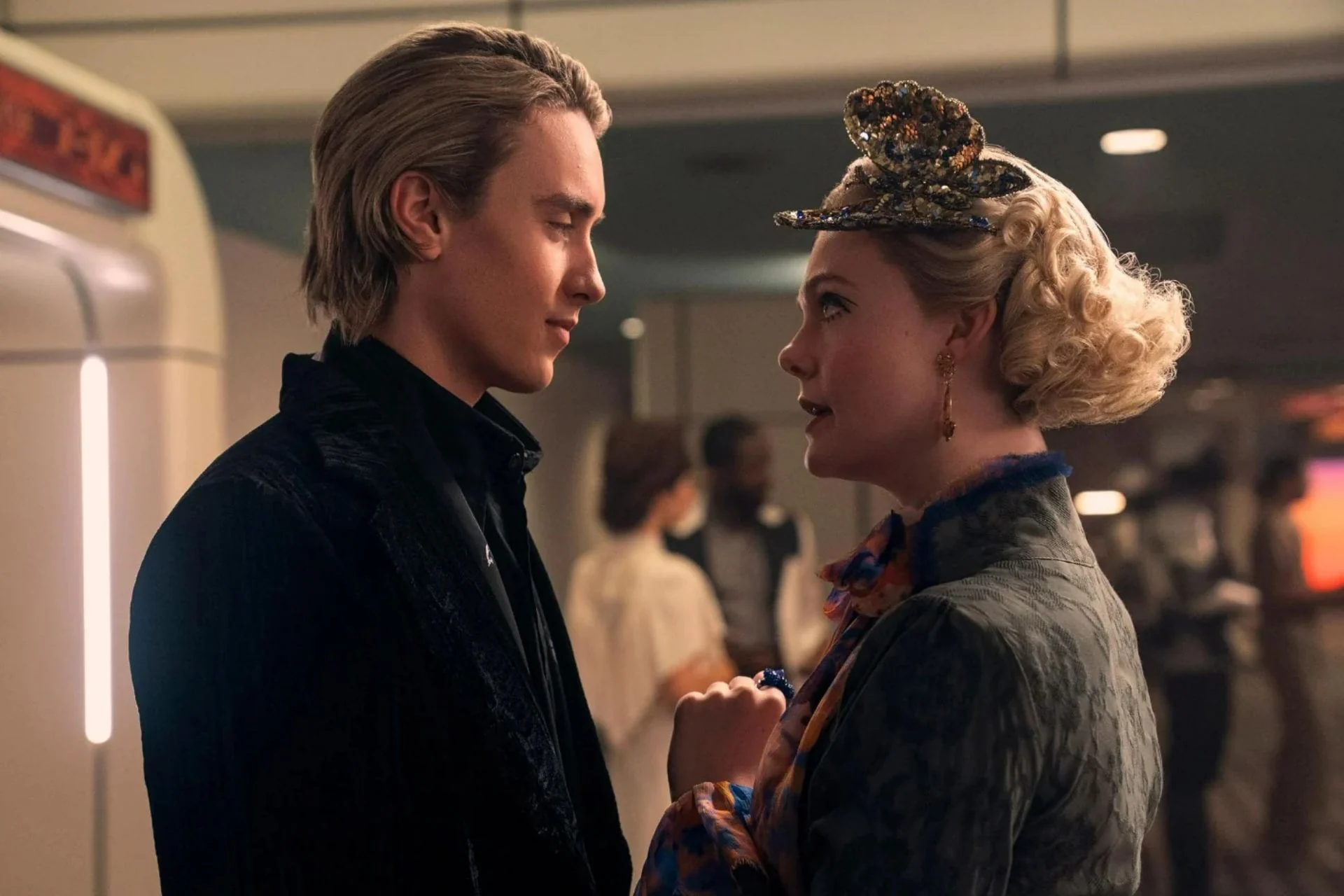
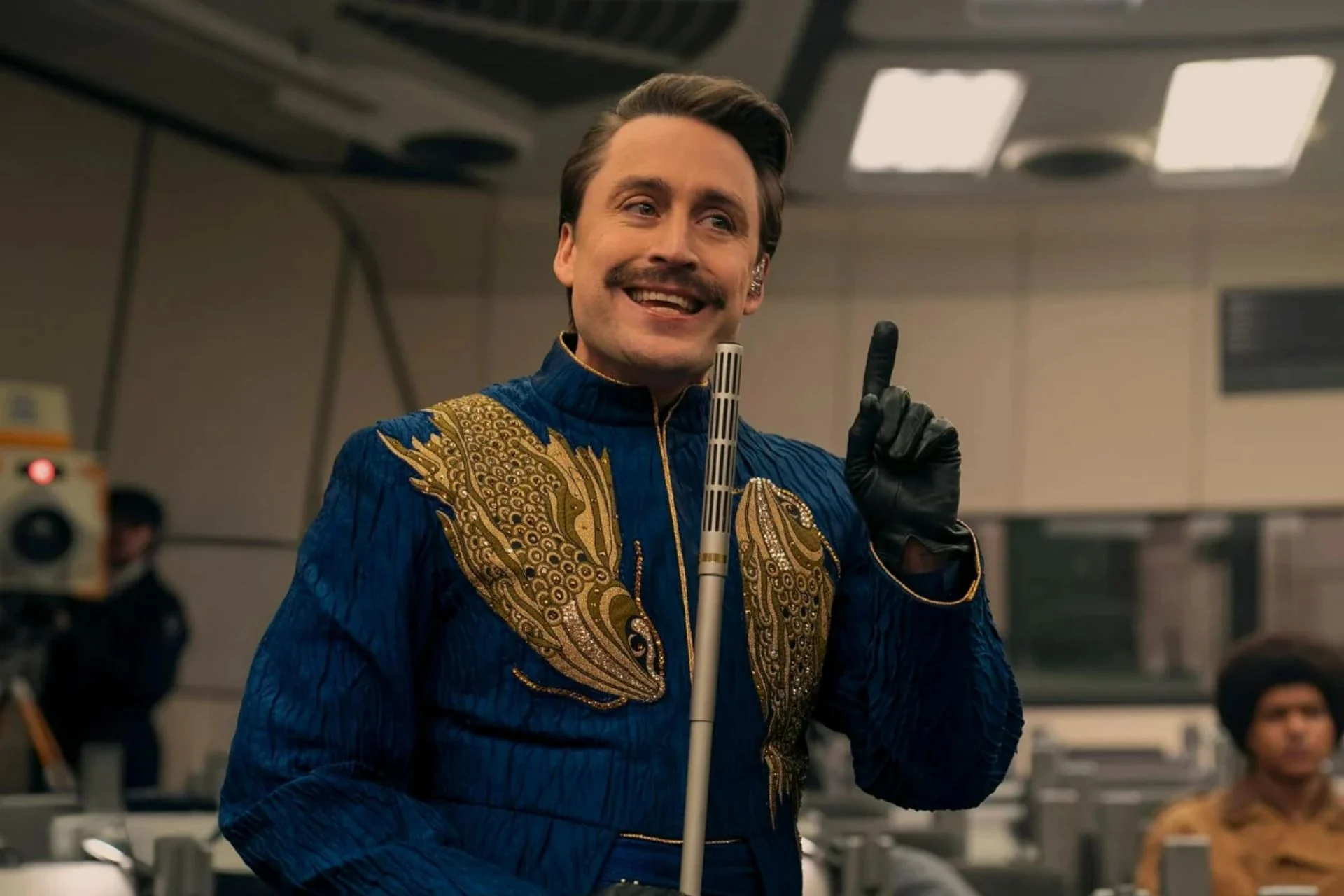
This narrative allows us to rediscover many familiar characters with younger faces. Figures like Effie, Plutarch, Mags, Wiress, or Beetee make an appearance, allowing fans to discover their original trajectories. The connections between characters are carefully woven, with explanations that integrate naturally into the story’s flow.
While there is inevitably some fan service, it is rarely gratuitous. Readers feel a constant impression of an adaptation that scrupulously respects every detail of the narrative structure without adding inconsistencies. This goal is largely achieved both in terms of storytelling and character construction. The film seems designed for fans while remaining accessible to newcomers.
Revolutionary Visual Aesthetic: The “Deadly Paradise”
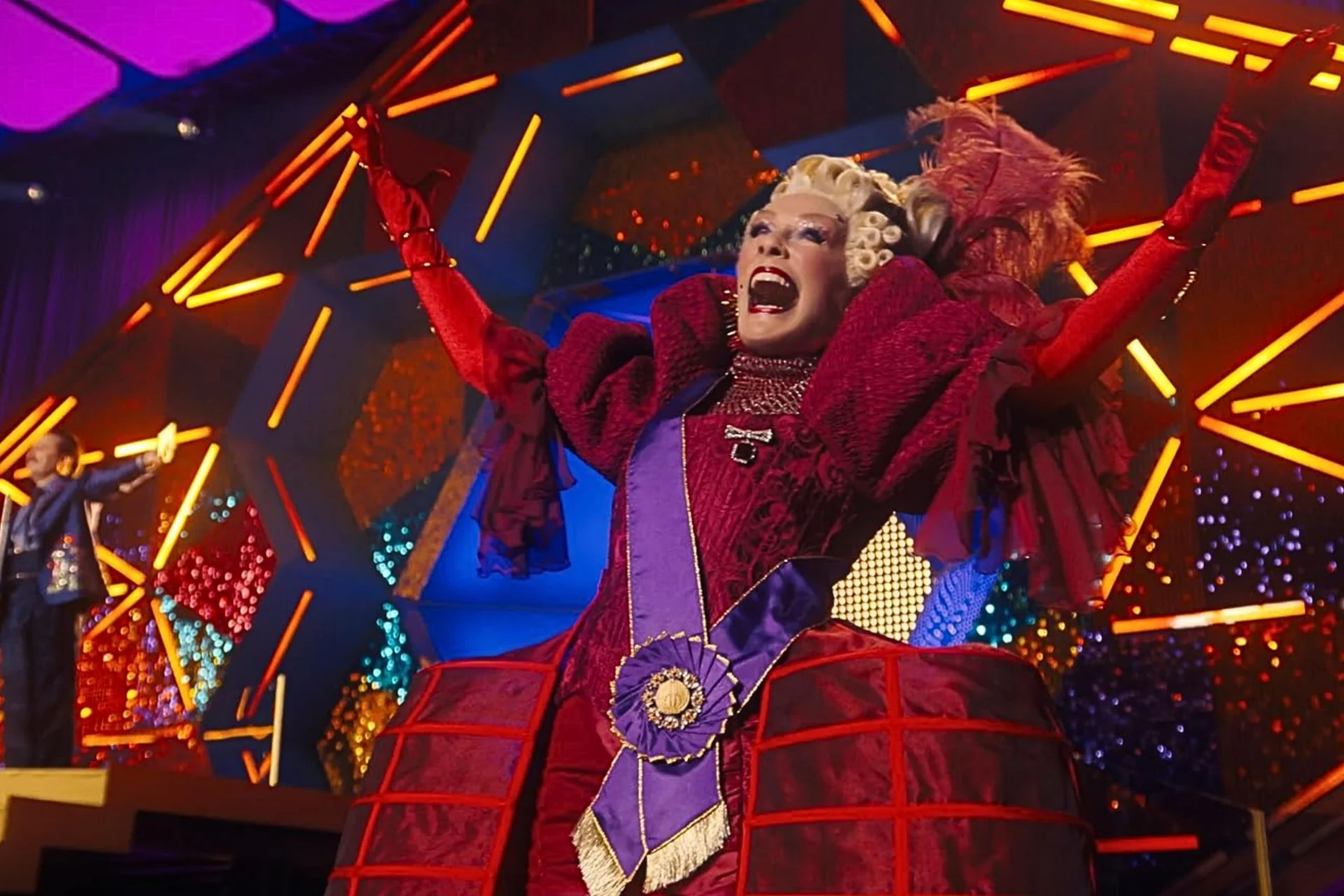
Visually, Francis Lawrence takes a new step compared to previous films. While the prequel about Snow had already begun to move away from the dull palette of the first installments, The Ballad of Songbirds and Snakes adopts a vivid aesthetic marked by the 1970s.
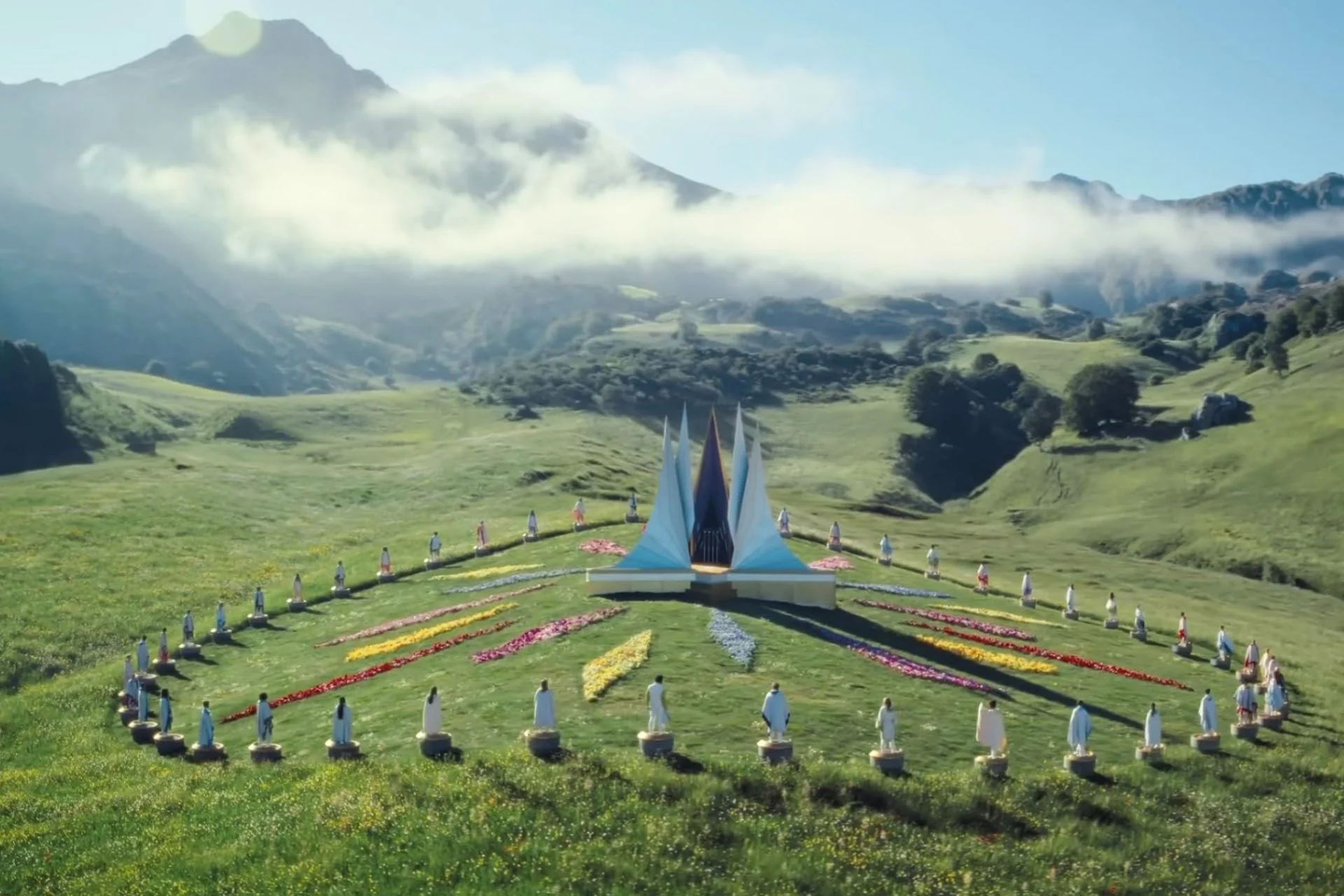
From costumes to sets, the film cultivates its difference. This approach is particularly visible in the arena: where nature was hostile and raw in the first films, we discover here an oasis as colorful as it is dangerous. This evolution reflects less a will to reinvent the saga’s visual grammar than a faithful translation of the unique character of the Reaping Games in Suzanne Collins’ work.
We must not forget that this is the bloodiest edition of the entire saga. The contrast between this explosion of colors and the relentless violence reigning there is striking. The theme of the “deadly paradise” is respected in all its dimensions: it is beautiful, it is luminous, and paradoxically, it is absolutely atrocious.
The photography deserves special mention for its colored grain, which gives the film an almost unique and recognizable identity. The aesthetic search continues in framing, sets, and action staging. When taking a step back from the image, what impresses most remains the attention paid to details: costumes, accessories, and environments bring life to images we had already imagined while reading the novel.
The Limits of an Ambitious Adaptation
Adapting such a dense novel in two and a half hours was inevitably a puzzle. Even if the final result is particularly convincing, certain elements must inevitably be cut to fit within time constraints. The film nevertheless manages to capture the essence of the story while opening new perspectives on the corruption of the Capitol and the moral downfall of a hero.
—