Phison Unveils SSD with Integrated NPU and 64GB Memory for AI Workloads
—
## The Rise of Compute Within Storage
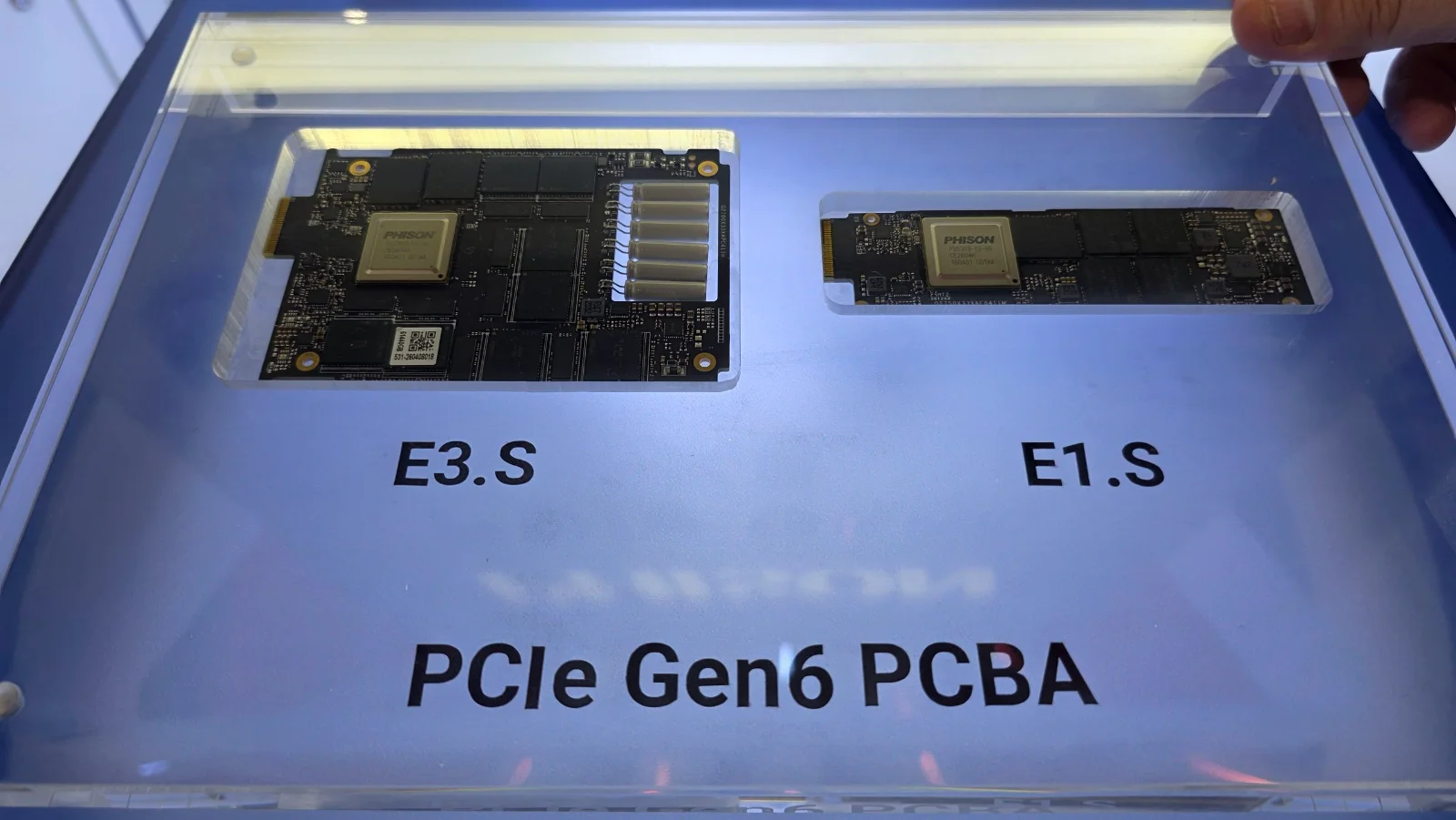
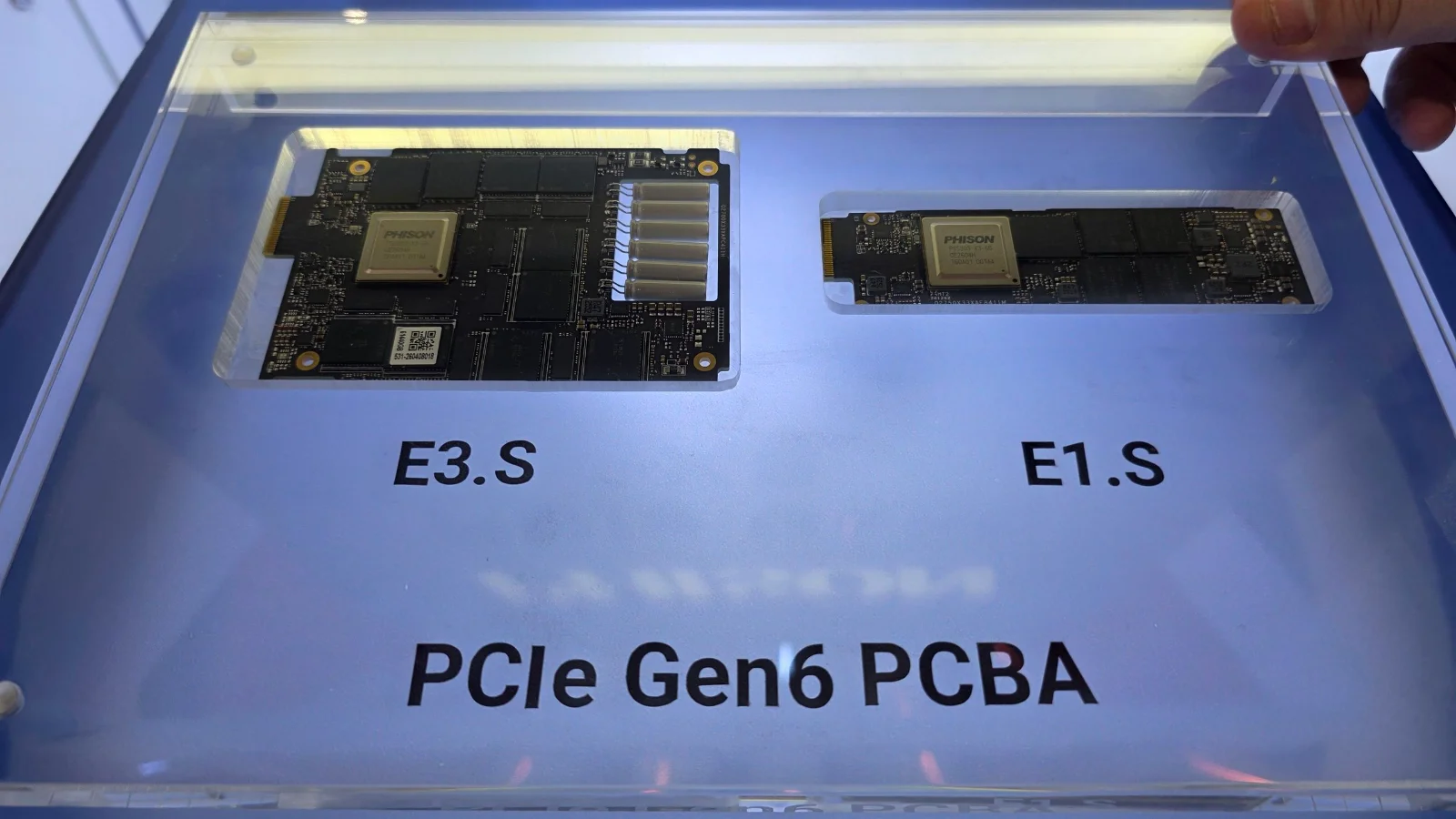
At the Supercomputer 2026 (SC26) conference, Phison unveiled two solid-state drive (SSD) architectures designed for enterprise environments, aimed at addressing distinct challenges in storage and compute. The primary goal is to enable servers to delegate complex tasks directly to the disk, thereby avoiding the unnecessary transfer of vast datasets to main memory.
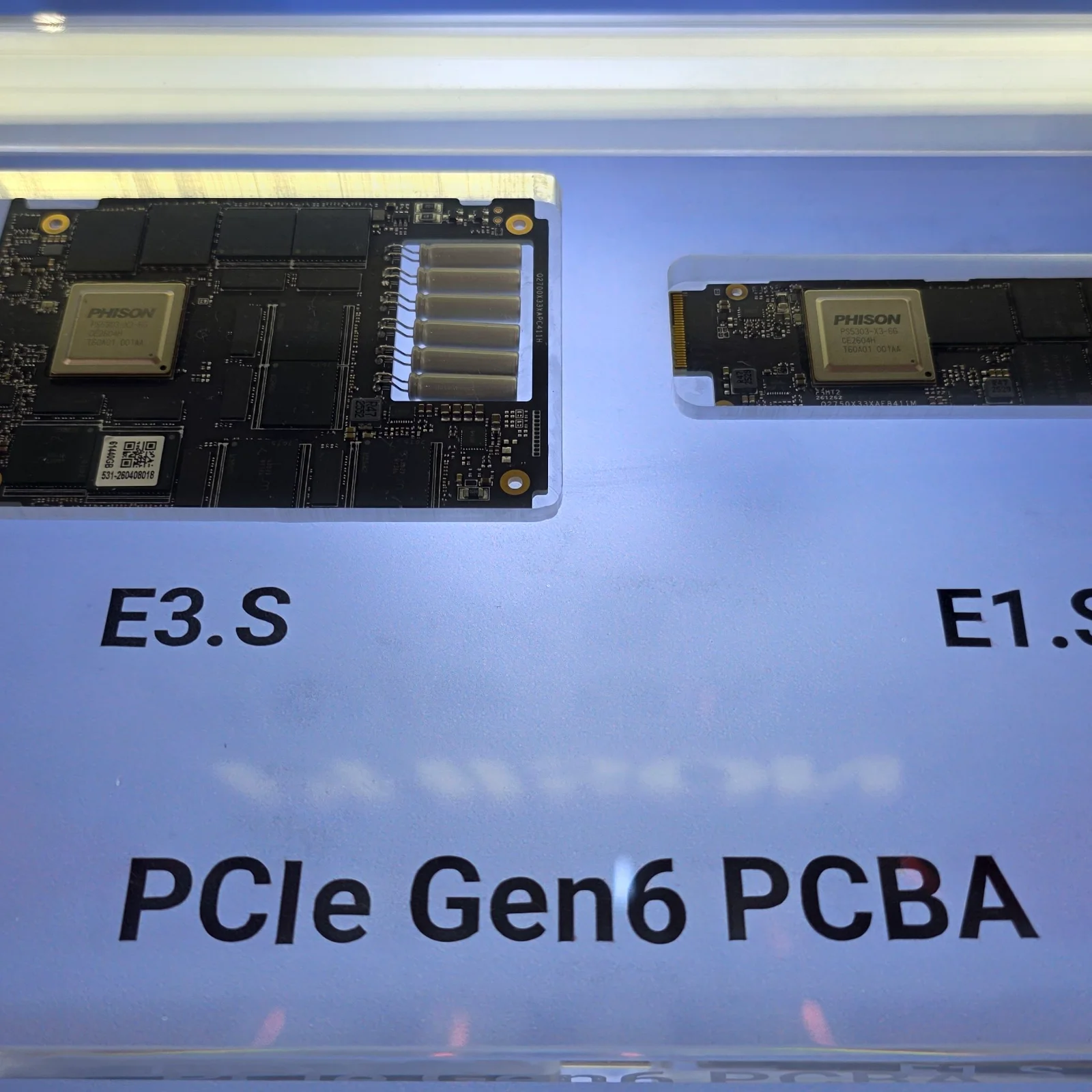
The Intelligent SSD with Integrated NPU
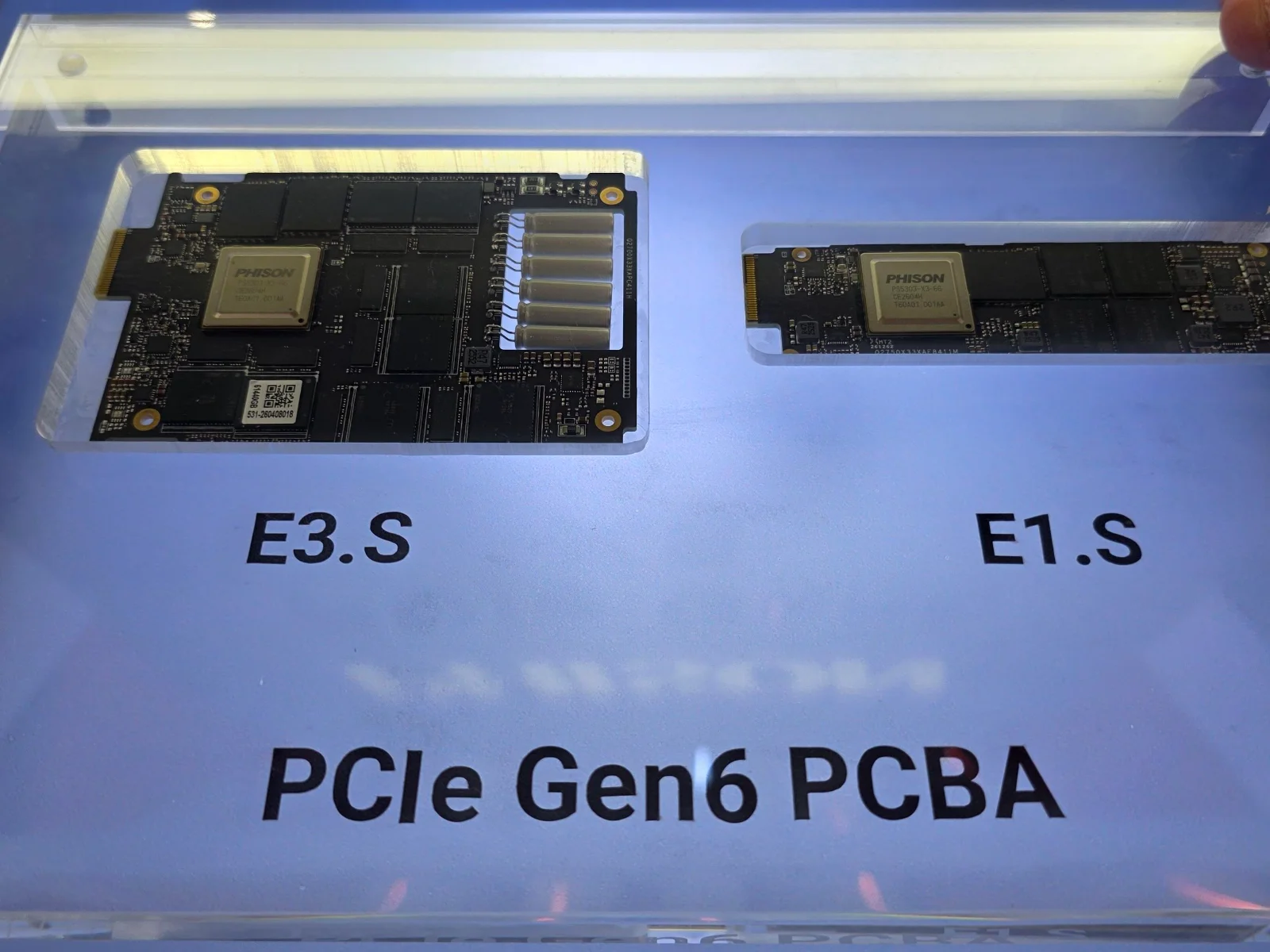
The first innovation highlights a hybrid component combining an embedded Neural Processing Unit (NPU) and 64GB of dedicated memory. This configuration allows popular artificial intelligence frameworks such as PyTorch, vLLM, OpenVINO, and llama.cpp to run directly on the storage medium.
Although Phison cited a compute performance of 36,800 DMIPS (Millions of Instructions Per Second)—a metric based on classic CPU benchmarks from the 1980s that is ill-suited for modern NPUs—the focus remains on bandwidth. The embedded memory, likely LPDDR5X according to rumors, offers an internal throughput of 130 GB/s. This figure represents just over half of the total throughput offered by DGX Spark hardware dedicated to AI development but ensures a capacity four times greater than that of the PCIe interface to the host.
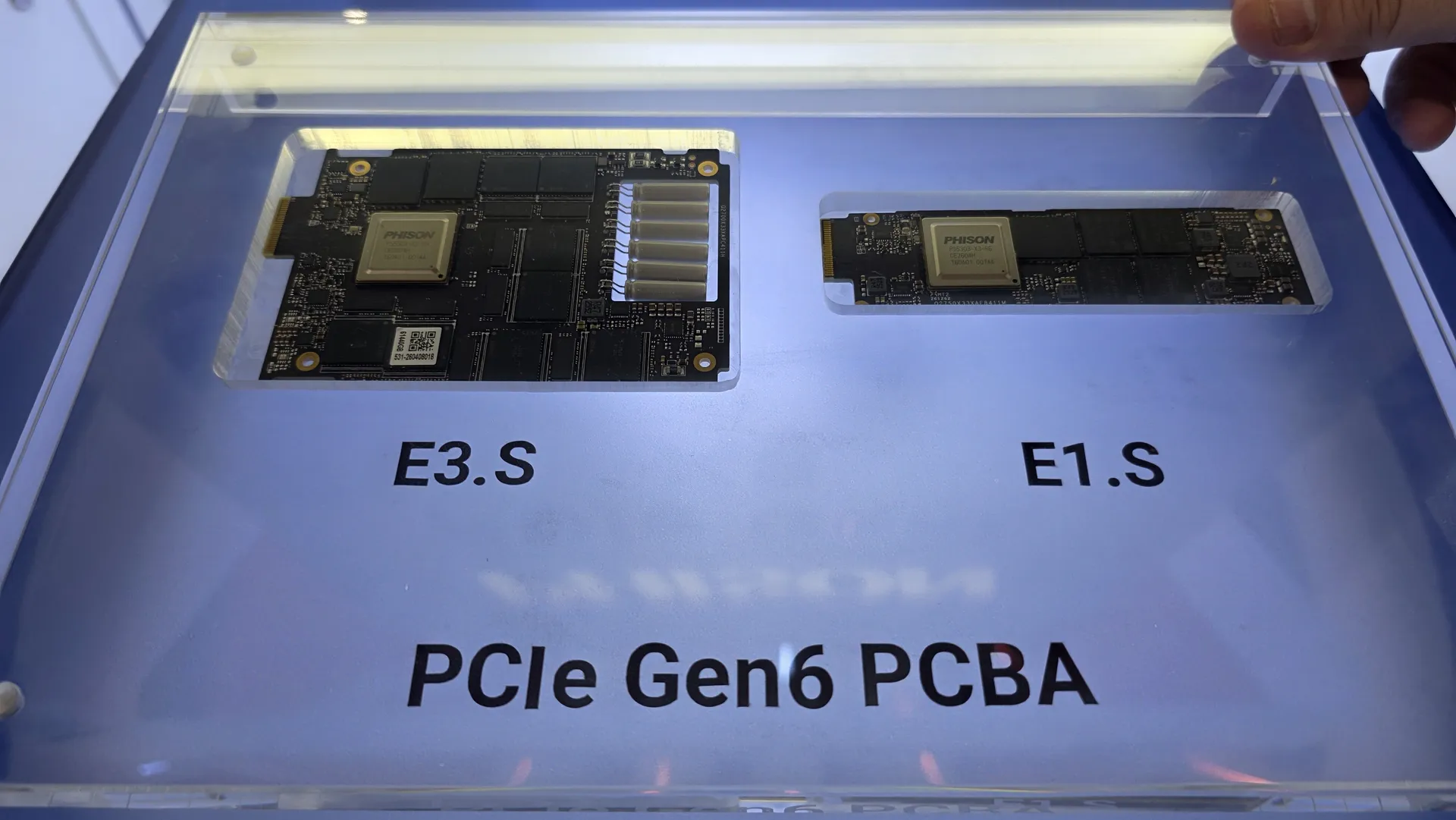
The major advantage lies in the “no specialized code” approach. Unlike previous solutions requiring deep software adaptations, this platform allows developers to use their standard tools to launch inferences and process data in parallel. The result? An estimated reduction of 10 to 100 times in the volume of data transferred to the host server, freeing up its CPU resources for other tasks.
Unified pSLC-QLC Architecture
The second technical proposal merges a fast SLC (Single-Level Cell) cache with massive QLC (Quad-Level Cell) capacity, all managed by a single controller. This engineering places the high-endurance portion directly into each drive bay, eliminating the need for dedicated bays for fast caches.
Technically, this implies that 4-bit QLC flash memory operates in SLC (1-bit) mode, sacrificing some capacity in exchange for increased speed and durability. Phison asserts that this design fits naturally into existing NVMe infrastructure without requiring specific software on the host.
The Legacy of Compute Storage
This approach is not an eccentricity but a logical continuation of industrial evolution. Samsung had already explored this path with its SmartSSD in 2018, using FPGAs to process data without movement. In 2022, a second generation reduced processing time by over 50% and energy consumption by 70%. However, these initial solutions often required specific software development.
Other players like ScaleFlux opted for a more discreet approach by managing compression within the controller. Phison distinguishes itself with its flexibility: it is not a closed system but an open platform capable of performing operations on various ranges of logical block addresses (LBAs).
Towards the Future with PCIe 7.0
According to Sebastien Jean, CTO of Phison, the trend is accelerating towards even faster interfaces. During the panel on emerging storage technologies, he mentioned the imminent arrival of drives compatible with PCIe 7.0, capable of achieving transfer speeds exceeding 56 GB/s. With a standardized configuration of 32 disks at this speed, a single chassis could theoretically process 1.8 TB/s, opening new frontiers for high-performance computing (HPC).
These announcements highlight a major turning point: intelligence no longer just waits for data; it processes where the data resides, thus redefining the balance between storage and compute power.
—