Review – Final Fantasy VII Rebirth (Switch 2)
Just five months after the release of the first game on the console, Square Enix is making headlines this June 2026 by launching the sequel directly on Nintendo’s hybrid console: Final Fantasy VII Rebirth.
After a very linear, corridor-based first game, the challenge for the Switch 2 was immense: to run a massive, ambitious open world without forcing players to connect to their PS5 via the PS Portal. I spent dozens of hours exploring the regions of Gaia alongside Cloud. So, was it a technological miracle or a hardware crash?
The Technical Crash Test on Switch 2: Necessary Compromises, but Smooth as Silk
Let’s be frank from the start, Shoops: *Final Fantasy VII Rebirth* on Switch 2 is obviously less polished and less flashy than on PS5 Pro or PC. The Unreal Engine 4 shows its limitations and forces some very visible compromises:
Visuals: The game runs at 30 frames per second. Textures are less detailed, and the characters’ hair is sometimes very pixelated, especially during close-up transition cutscenes.
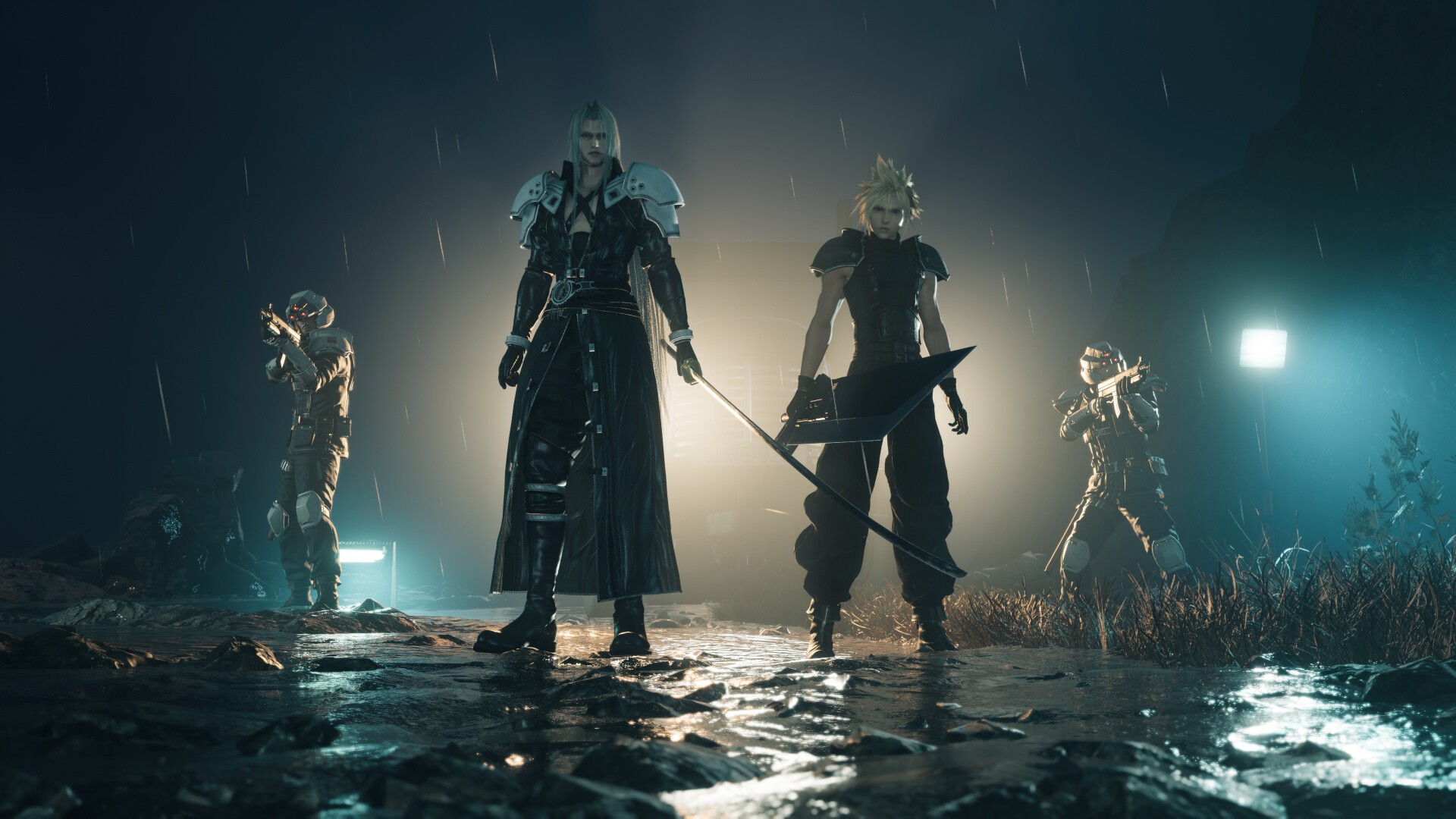
Object popping: This is the major drawback inherited from Square Enix’s engine. Environmental elements (grass, rocks, debris) sometimes suddenly appear right in front of you at close range while exploring.
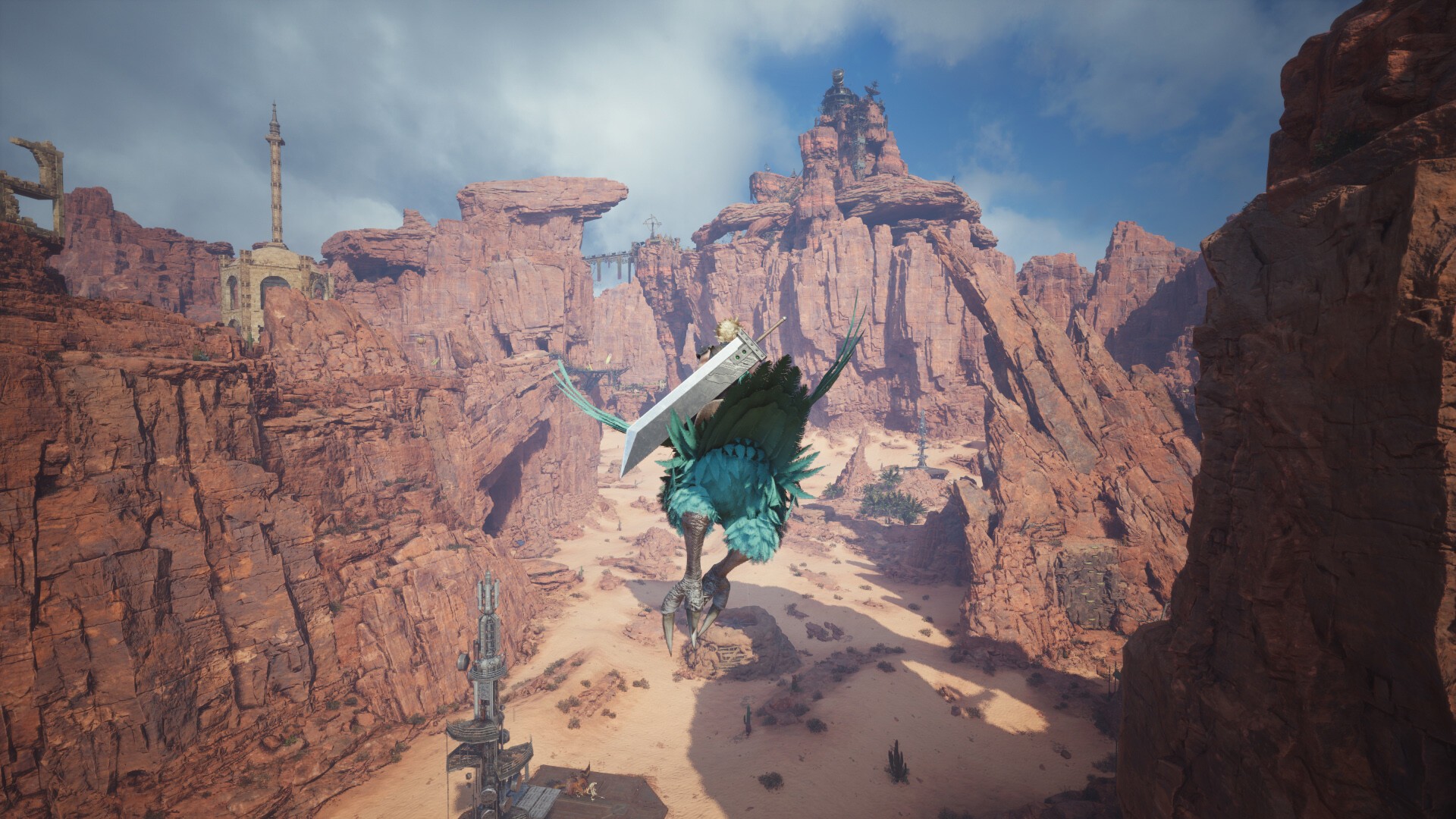
On the bright side ( and this is the real feat): That 30 fps is absolutely stable. Whether you’re in combat with magic explosions all around or riding a Chocobo across the Prairie, the game never suffers from any frame rate drops. Visually, the story cutscenes fare the best, skillfully masking the technical shortcomings. If you can accept these graphical compromises and have enough space on your memory card (be warned: the console’s storage and battery life are put to the test), this is the best portable version on the market, leaving the Steam Deck experience in the dust.
A refined and ultra-deep combat system
If you enjoyed the gameplay of the first game, get ready for a real eye-opener. Rebirth doesn’t just copy the formula—it takes it to a whole new level. The addition of a perfect parry and a vigilance gauge adds a real layer of technical depth, but it’s the roster—which is twice as large—that’s the real game-changer. You can configure up to three teams of three characters and switch between them on the fly with seamless fluidity.
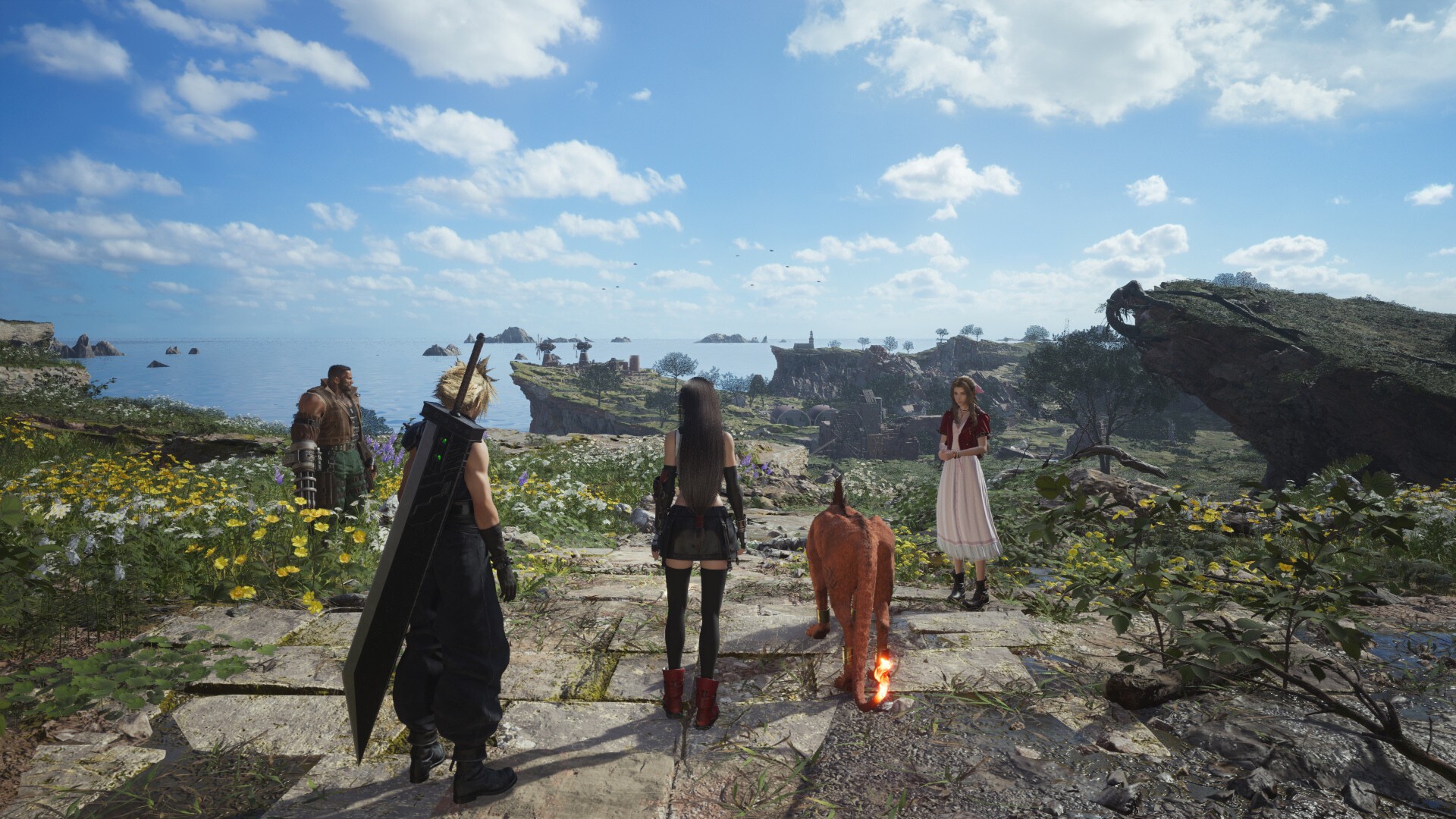
Each hero has a distinct specialty: Tifa excels at vertical combat, Barret breaks Shock gauges, Aerith compensates for her slowness by teleporting, and the newcomers (Red XIII and his guard-based Vengeance mode, Yuffie and her ninja stances, or Cait Sith’s unpredictability) encourage experimentation.
The Codex and Synchronized Skills
A major new feature: each character now has their own Codex (a skill tree) that evolves based on your party’s level. Accumulated AP levels up your weapons, unlocking elemental skills and new Materia slots.
In battle, party synergy is realized through two commands:
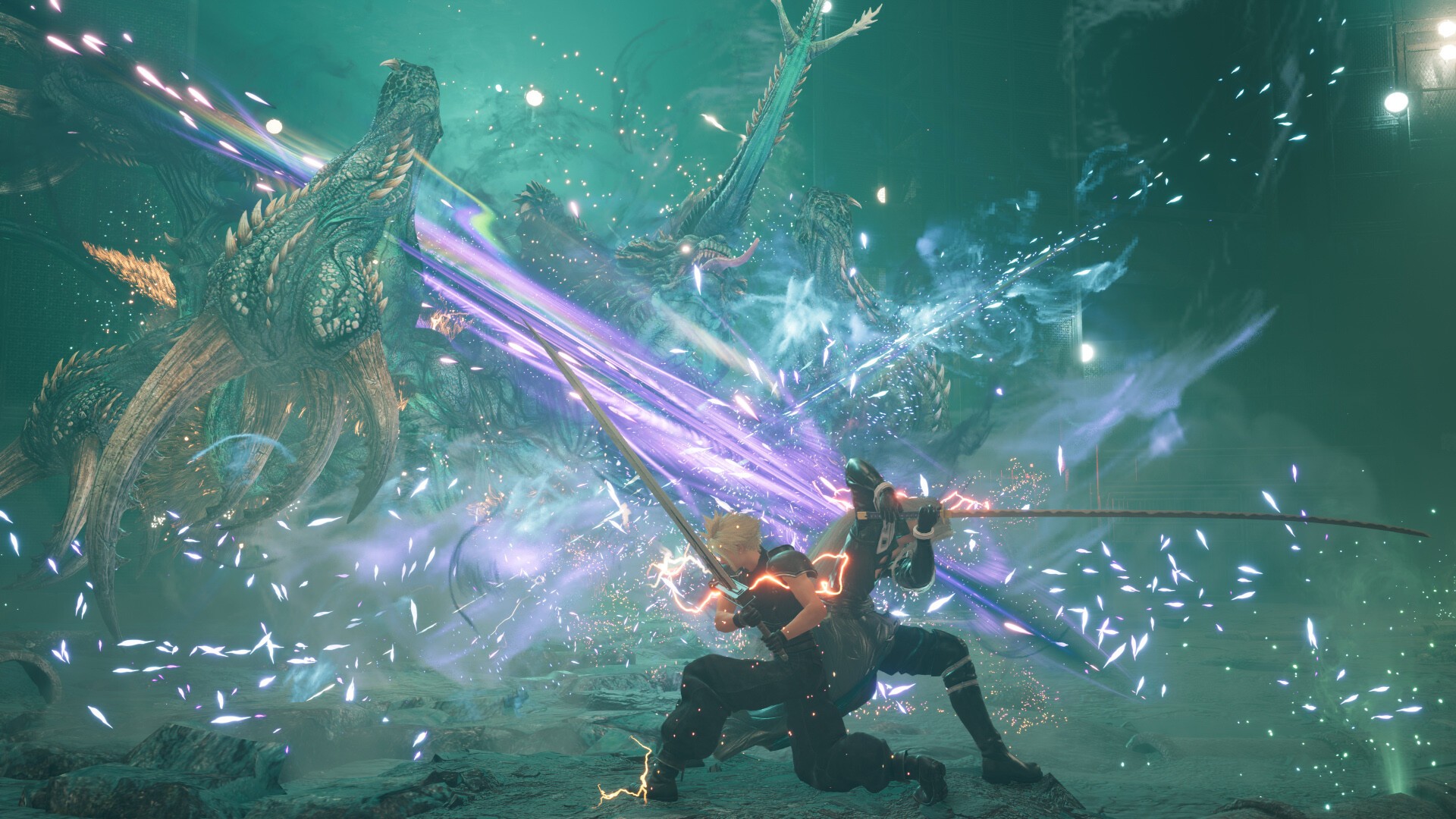
Synchronized Actions: Available while in a guard stance, these allow you to combine two characters (such as Red XIII propelled by Barret) to attack or parry without consuming ATB gauge.
Synchronized Skills: The highlight of the show. By using your standard skills, you fill a special ATB gauge. Once it’s full, your heroes unleash a devastating, ultra-stylish duo attack on screen, granting major bonuses (free magic for a time, increased Transcendence, etc.). The visual spectacle is incredible!
An open world that makes you want to lose track of time
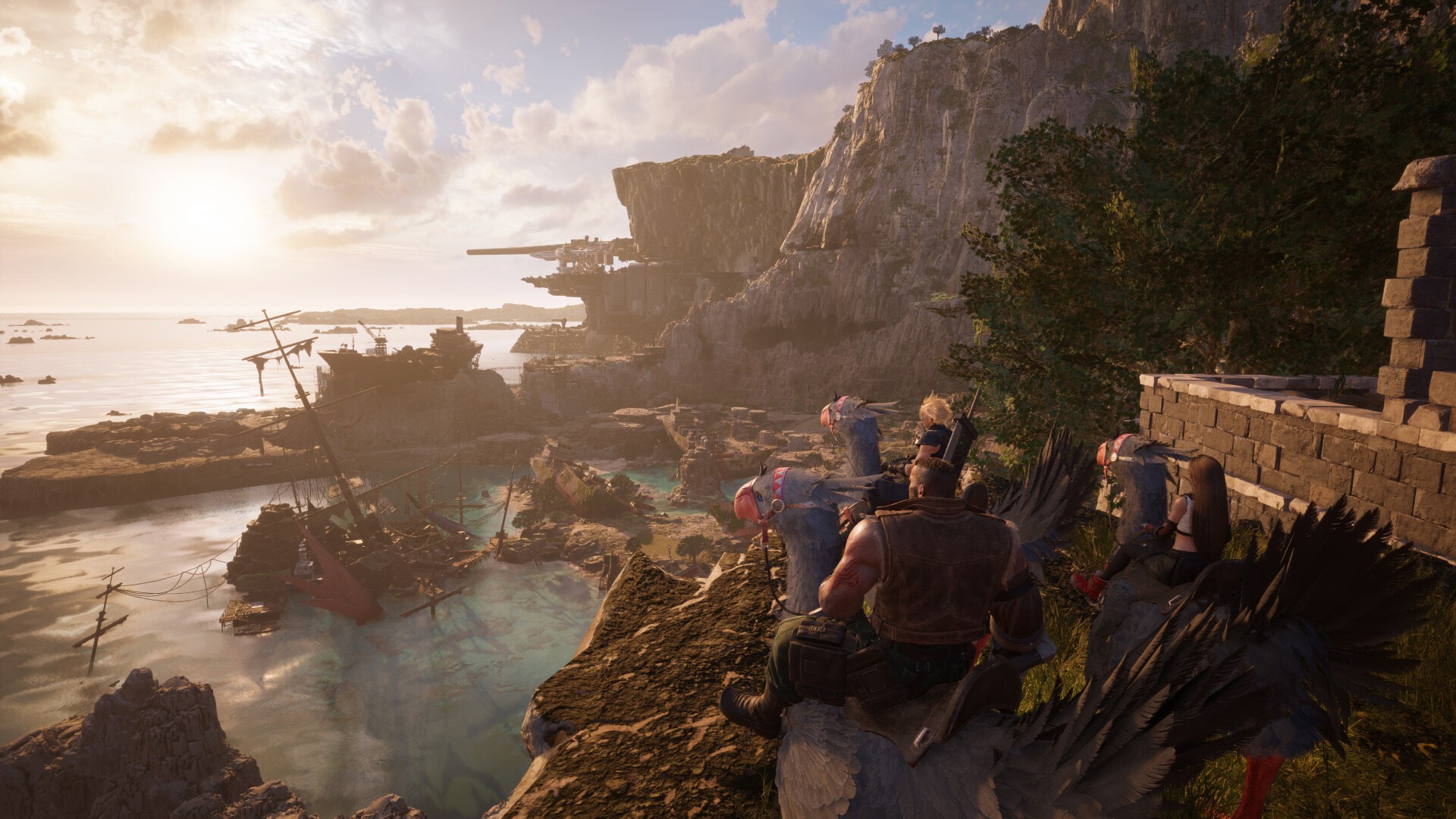
Rebirth features six massive regions (Prairie, Junon, Corel, Gongaga, Cosmo Canyon, Nibelheim) that can be explored without any loading times. The game strikes a perfect balance between densely packed story-driven dungeons and long stretches of open-world freedom.
Admittedly, the structure remains somewhat traditional (even outdated), with transmission towers to activate in order to reveal the map, and the game tends to hold your hand a bit too much (yellow markers on the walls, Chocobo chicks pointing out teleportation points, birds to follow). But the overall art direction and atmosphere are so captivating that you’ll find yourself wandering for hours just for the pleasure of exploring a hunting ground, examining a Life Well, or unearthing an Esper Crystal (which, by the way, provides great story-driven lore with every summon).
Lev3lup’s favorite: Queen’s Blood!
It’s the brand-new collectible card game in this installment. Simple at first, it becomes incredibly addictive with cards featuring tactical special effects. The craziest part? It includes a full-fledged story-driven subplot that makes you want to take on the whole world just to see how it ends.
A masterful plot full of surprises
Story-wise, Rebirth honors its 1997 legacy while brilliantly expanding on its own unique timelines, first introduced in the first Remake. The adventure takes you through a whole range of emotions: you’ll laugh at completely wacky sequences (the game fully embraces its offbeat side), marvel at the breathtaking beauty of the Gold Saucer, and, above all, move forward with a constant sense of excitement mixed with uncertainty. Even if you know the original story inside and out, the storytelling is so epic and surprising that it feels like the plot is unfolding right before your eyes, leaving you with a knot in your stomach as you wonder what lies ahead.
The affinity system between Cloud and his companions (through dialogue choices or dedicated quests) strengthens the cohesion of this fantastic group and directly influences the famous romantic rendezvous scene at the Gold Saucer, preceded by a musical number that is simply spectacular. There are a few slow moments and the ground-based parkour feels a bit stiff at times, but the power of the final two chapters sweeps everything aside.
Conclusion: A masterpiece to take with you everywhere
Final Fantasy VII Rebirth is a landmark in the J-RPG genre. Square Enix has delivered an incredibly generous game (it takes over 75 hours to see the story through to the end and explore all the content), driven by a masterful soundtrack and a combat system that borders on perfection. Seeing such an open-world game run so smoothly at 30 frames per second in handheld mode on the Switch 2 is nothing short of a minor miracle. If you’re willing to accept some visible graphical compromises (blurry textures, texture popping), this is the ultimate on-the-go adventure to tide you over until the conclusion of Part 3!