Ubisoft: Financial Results, Layoffs, and New AI Division
—
## Ubisoft Navigates Between Commercial Success and Deep Restructuring
French group Ubisoft has released its financial results for the fiscal quarter ending September 30, 2026. While commercial performance shows signs of resilience, the company continues to undergo a period of heavy organizational transformation.
Positive Figures Despite Structural Challenges
Commercially, Ubisoft managed to maintain a solid quarterly revenue, reaching €673.6 million. This figure slightly exceeds that recorded a year prior (€657.8 million), thanks to several growth drivers.
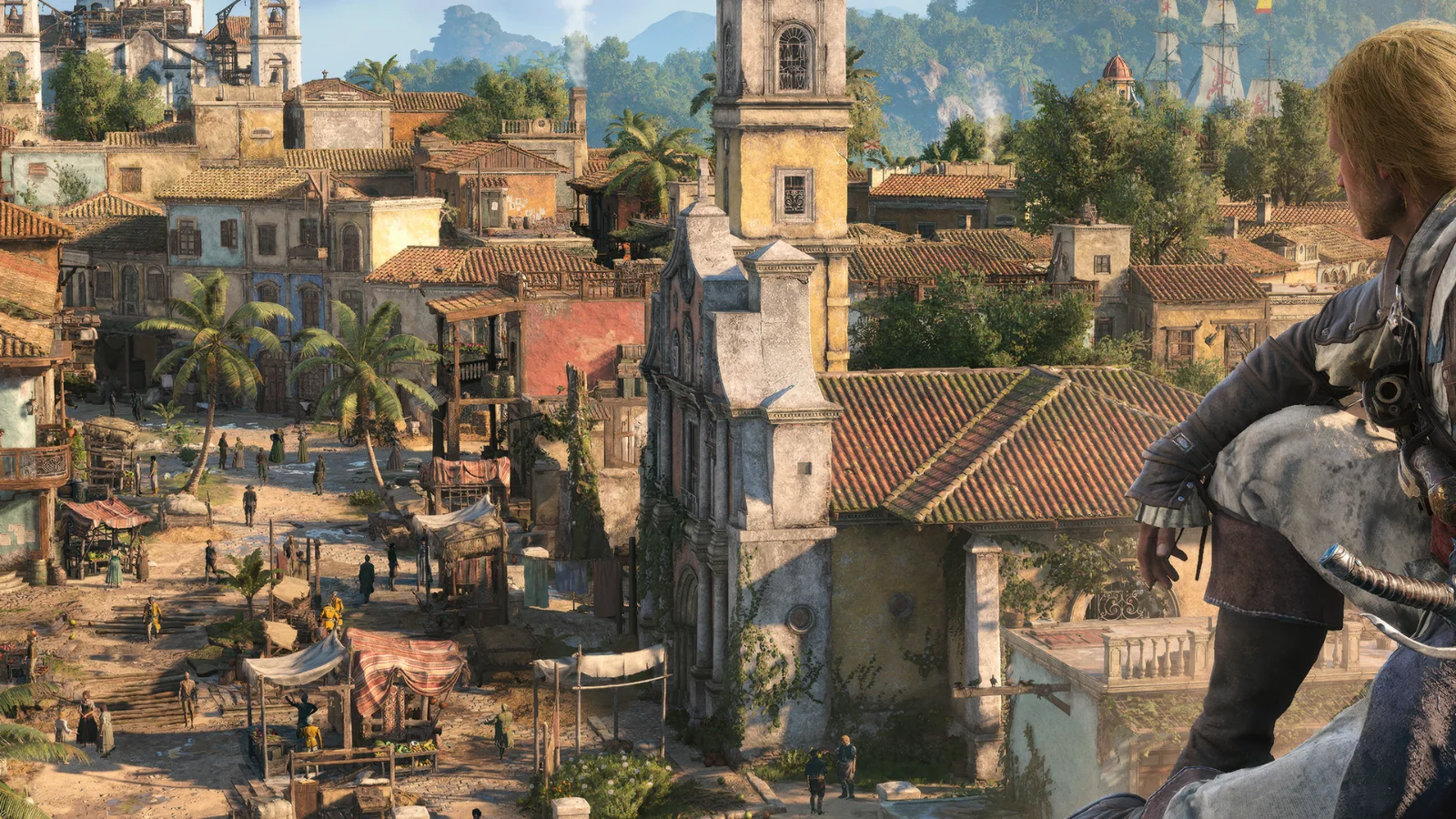
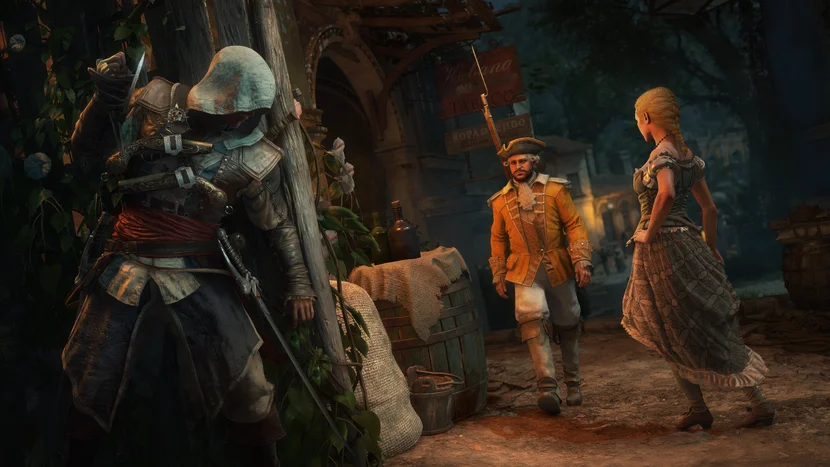
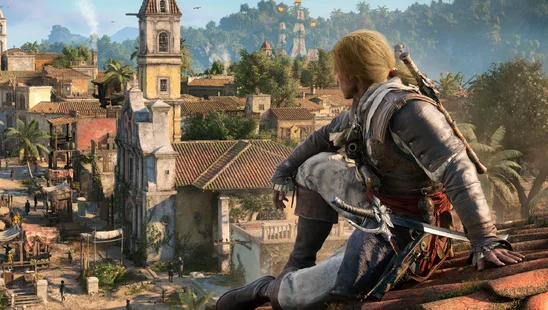
The flagship title, Assassin’s Creed Black Flag Resynced, was the main driver of this momentum. This first remake of the historic franchise met with resounding success, selling over 3 million copies in its first week of release, thus surpassing initial forecasts.
Furthermore, Rainbow Six Siege solidified its position by capitalizing on recent gameplay adjustments and anti-cheat measures. The mobile title Invincible: Guarding the Globe also contributed to the group’s overall performance.
However, these commercial results are not enough to mask financial losses. Ubisoft closed this quarter with a net loss of €248.6 million, compared to €161.4 million the previous year.
Workforce Reductions Accelerate
To address this situation and cut costs, the group maintained its “rightsizing” program for staff. The total number of employees was brought down to 15,500 as of September 30, 2026.
This marks a significant drop compared to pandemic years, when headcount peaked at 20,700 people in September 2022. Cost-cutting efforts continue unabated: 1,100 positions were eliminated over the last six months alone.
This trend is also visible in the Canadian branch, where 166 employees recently lost their jobs in Montreal and Quebec. The company’s net debt remains high, standing at €774.6 million, even after the injection of capital worth €1.16 billion by Chinese giant Tencent via its subsidiary Vantage Studios.
New Architecture: Merging Creative Houses
Ubisoft is also pursuing its internal transformation by reorganizing its studios around new entities called “Creative Houses.” The group is now moving from five to four major creative houses.
Creative House 4, dedicated to immersive fantasy worlds and narrative universes, has found its CEO. It will oversee iconic franchises such as Anno, Beyond Good & Evil, Prince of Persia, Rayman, and Might & Magic. The new leader will take office in January 2028.
- A notable merger is taking place between the former **Creative House 3** and **5**. Led by Julien Bares, who returns after gaining expertise on the Chinese market at 2K China and Tencent, this new entity will group:
- Live-service experiences (*For Honor*, *The Crew*, *Riders Republic*, *Brawlhalla*, *Skull & Bones*)
- Casual titles (*Just Dance*, *Uno*, *Hungry Shark*, *Growtopia*)
Franchises not falling under any of these houses will be taken over by a new unit with limited investments.
Launch of a Dedicated Artificial Intelligence Subsidiary
Finally, Ubisoft takes a decisive step in the field of technology by transforming Motherbrain into an independent subsidiary. Formerly an internal R&D team responsible for projects like Teammates and its voice interactions, Motherbrain is now becoming a standalone division.
- Its mandate is clear: to develop proprietary technologies to innovate gameplay. Current work focuses on creating innovative gaming experiences, including:
- NPCs (non-playable characters) endowed with memory and artificial intelligence.
- “Game masters” capable of managing large-scale systemic worlds.
This restructuring marks a new era for Ubisoft, combining playful heritage and technological innovation while displaying a more austere face in terms of human resources.
—